ECLAT-OI PIM: Developing Projects with a Positive Impact Thanks to Design Thinking and its Collaborative Approach
2026
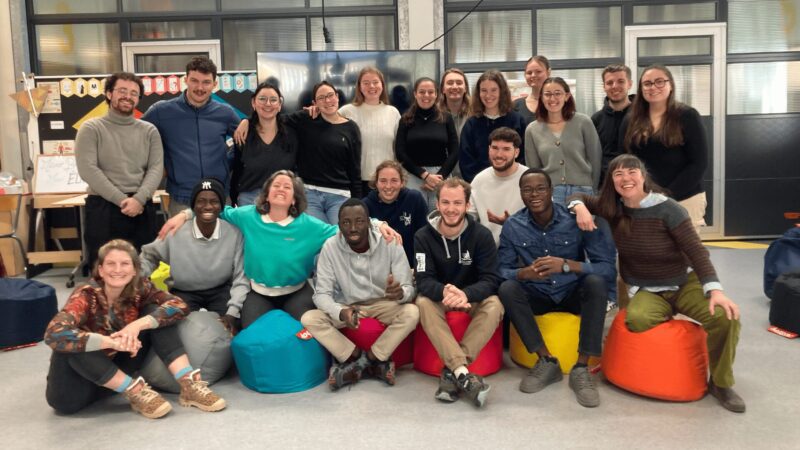
Following the success of the 2023, 2024 and 2025 editions, the ECLA-TOI PIM ECLA-TOI once again brought together 20 students from 5 to 9 January 2026 at UBO Open Factory. This year, the programme focused on the Floating Villages project, led by the association Les Merriens and the micro-enterprise Flots, with support from the collective Les Vagues.
The Floating Villages initiative promotes research and experimentation spaces dedicated to a merrien way of life, in harmony with the ocean. Its ambition is to develop practical and accessible solutions for coastal areas facing the challenges of climate change by combining adaptation, mitigation and innovation. The project aims to generate a triple impact: human, ecological and technological.
Divided into four groups, the students designed proposals intended to strengthen both the attractiveness of the project and public engagement with it. Their ideas included weekly low-tech cooking workshops to involve local residents, a board game highlighting the economic, ecological and social impacts of floating villages, an interactive model enabling fishers to co-design their future living spaces (“The House of Vision”), and a Little Book of Merrien Everyday Actions designed to raise awareness of the merrien lifestyle through environmentally friendly daily practices.
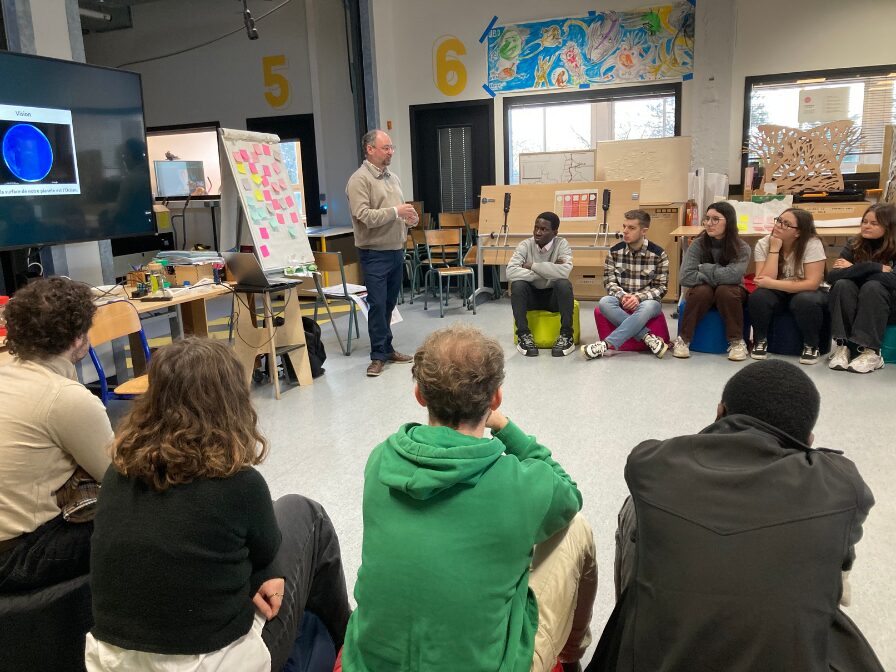
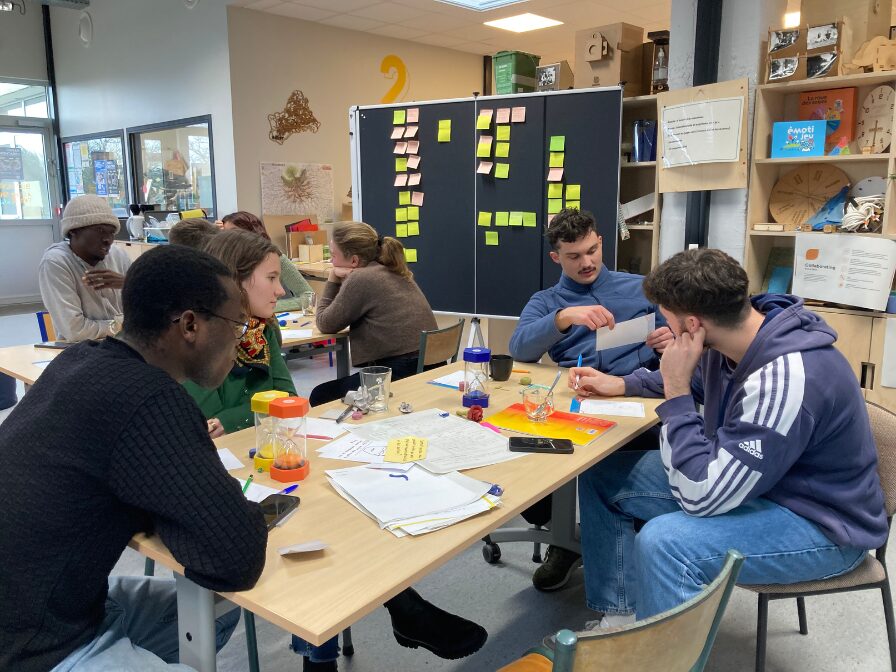
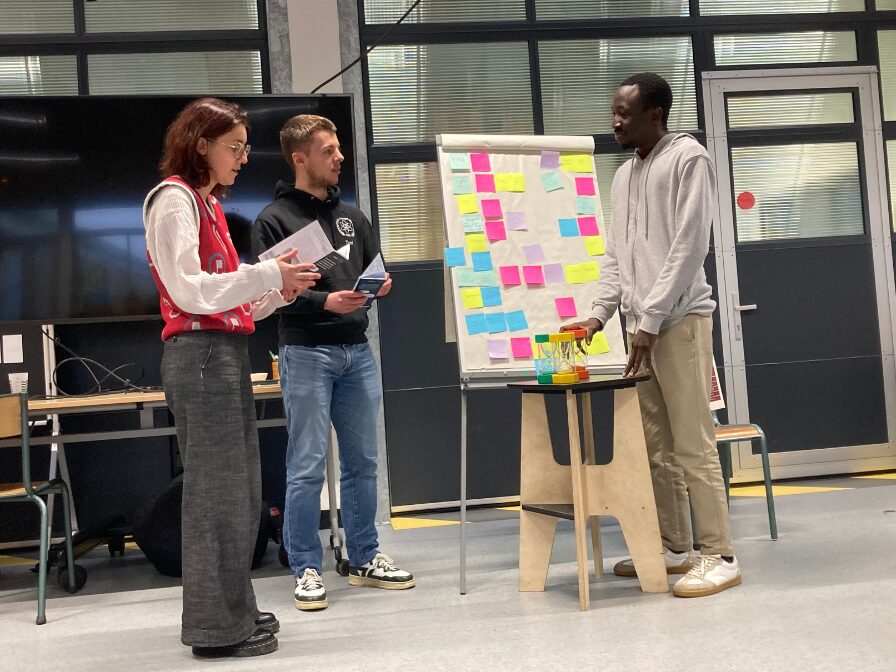
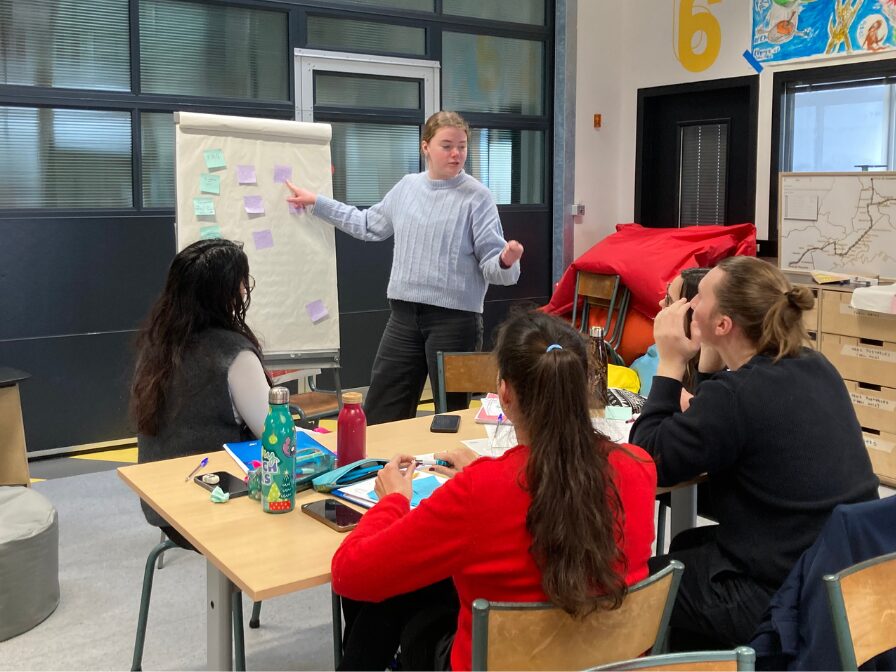
At the end of the week, participants strengthened their skills in creativity, critical thinking, emotional intelligence and oral communication, while also experimenting with co-construction approaches and social innovation methods. This PIM enabled them to explore concrete forms of engagement and imagine more resilient and inclusive coastal territories.
Discover the students’ interview during the PIM Forum:
View the students’ projects and outputs:
Cooking workshop group
Game group
Model group
Bringing together group
PIM Supervisors:
- Sarah Noll
- Nathalie Richard
- Coline Rannou Colliot
2025
After two editions in 2023 and 2024, the ECLAT-OI PIM once again brought together 20 Master’s students from 6 to 10 January 2025 at UBO Open Factory.
This project, organised by Sarah Noll and Julia Fougère (Disrupt Campus / UBO Open Factory), is part of an ambitious initiative: training participants in responsible innovation while addressing the real needs of a local association.
This year, the partner organisation was the ecological guesthouse Écogîte Norzh, which served as the case study site. This living-in residence and third-place initiative, located in Lilia (Plouguerneau) in northern Finistère, at the foot of the Île Vierge lighthouse, has been working since 2020 on coastal ecological transition issues.
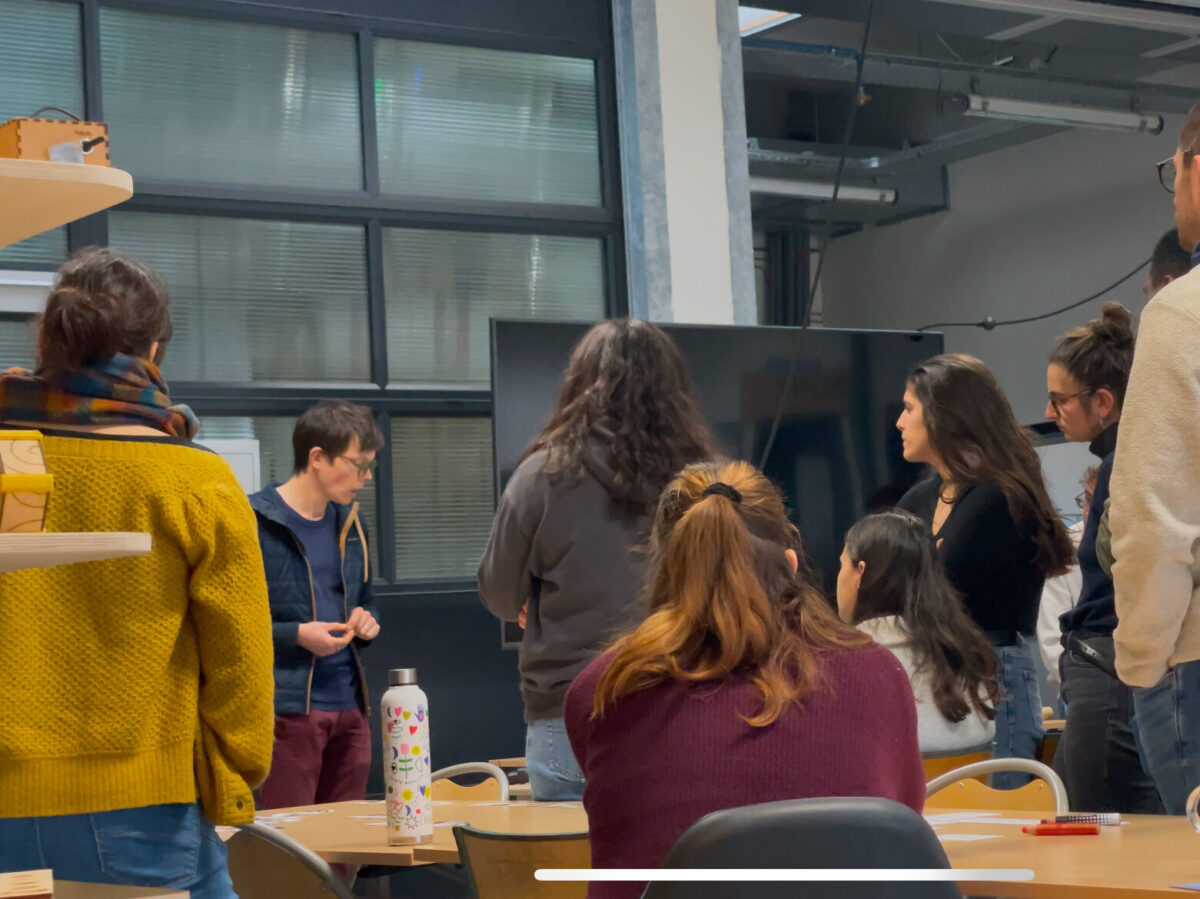
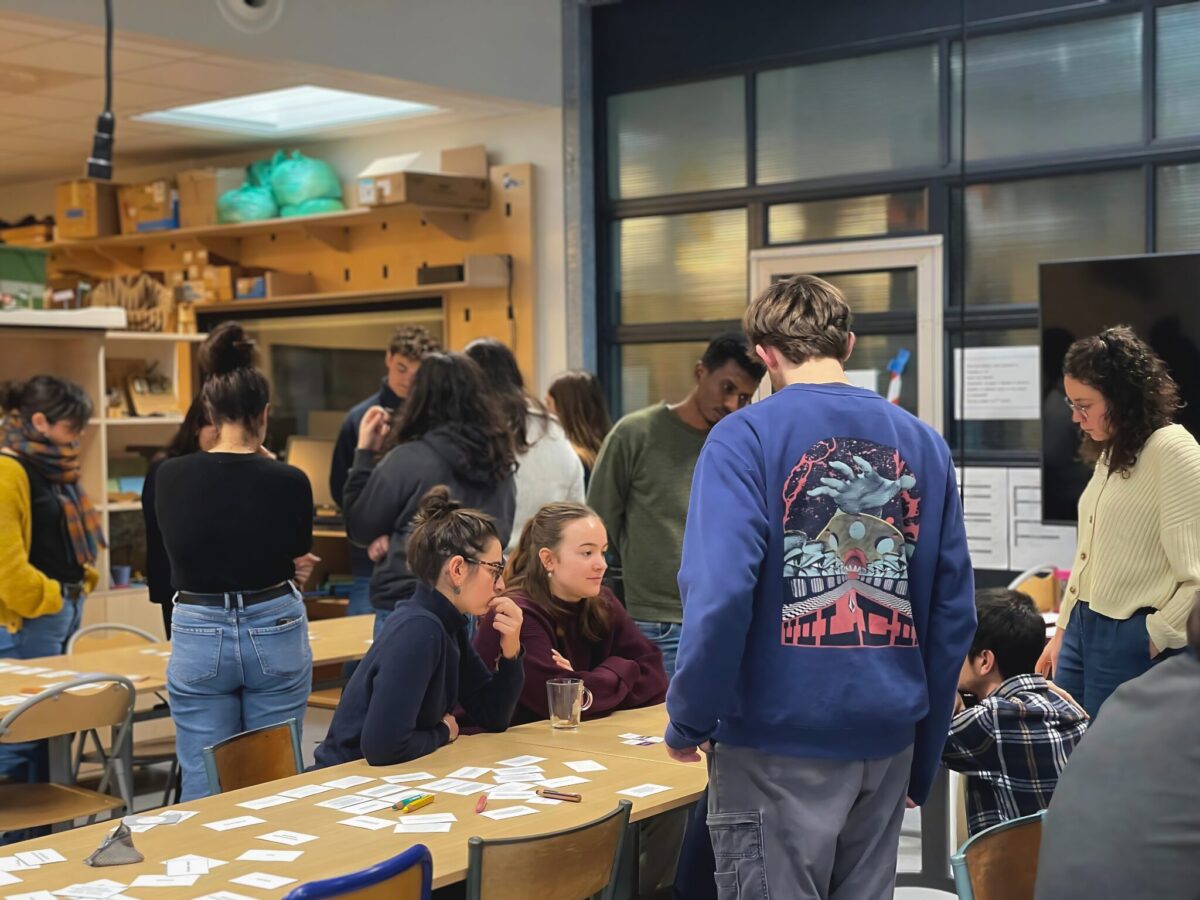
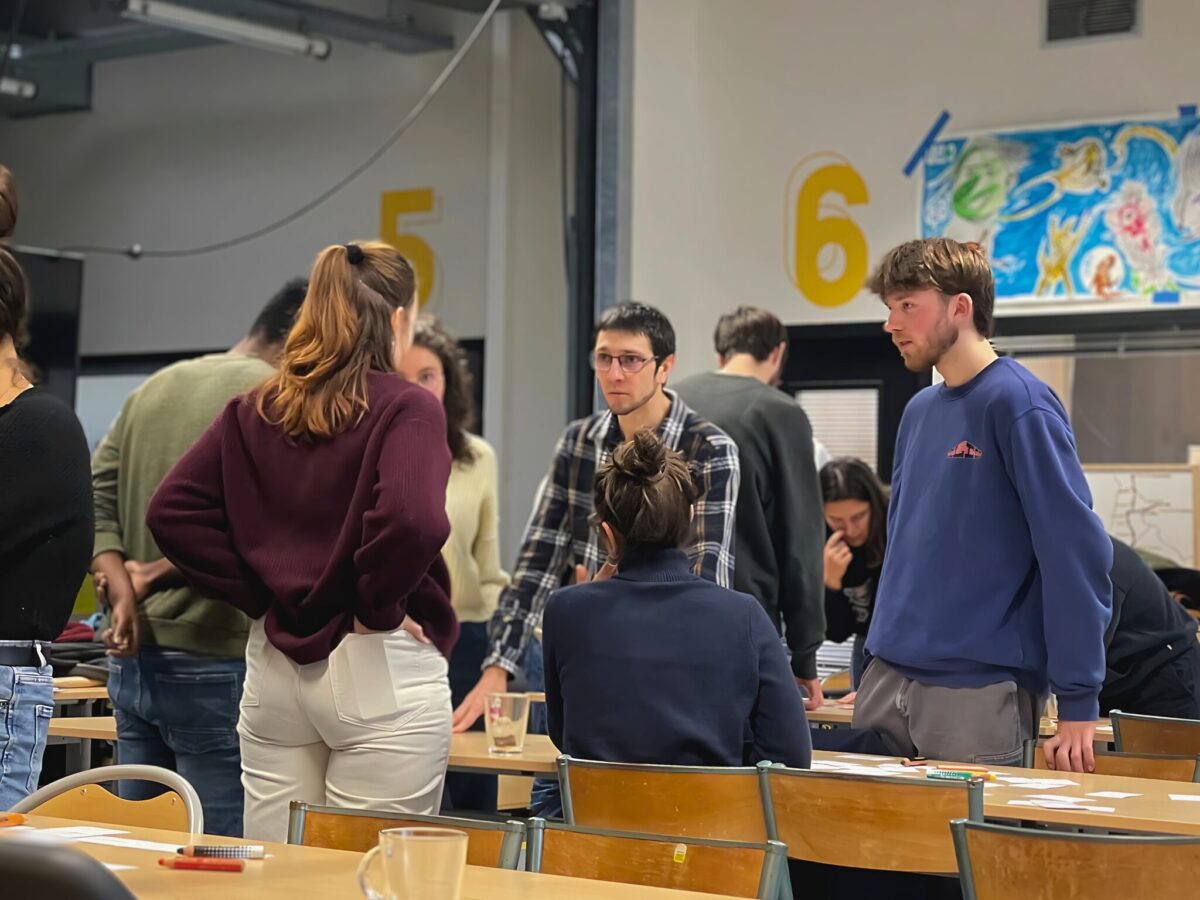
Thanks to the Design Thinking methodology, students from a wide range of academic backgrounds within the ISblue network (engineering, chemistry, geosciences, management, physics, law, economics, biotechnology, etc.) worked on five challenges proposed by the commissioning partner:
Two challenges on the relationship between territory and citizens
- Challenge 1: Transmitting the memory of coastal risk to site users and local residents
- Challenge 2: Contributive tourism: enabling visitors to become actors in citizen science initiatives
Three challenges on sustainable ways of living
- Challenge 3: Demonstration housing: ecological architecture and living spaces as a third place for experimenting with new lifestyles
- Challenge 4: Sustainable tourism mobility: nautical itinerancy
- Challenge 5: Implementing compost toilets in a site such as Norzh
Throughout the week, students were also introduced to more accessible, sustainable and environmentally adapted technological approaches through La Fresque des Low-Techs.
At the end of the programme, participants developed key skills including critical thinking, emotional intelligence, creativity and oral communication. They are now better equipped to lead innovation projects with positive ecological and social impact.
Discover the students’ interview from the PIM Forum:
2024
In January 2024, as part of the ECLAT-OI joint interdisciplinary project (PIM), a group of Masters students from UBO, UBS and ENSTA Bretagne developed projects with a positive impact thanks to Design Thinking and its collaborative approach.
The students joined an intensive 5-day course on Design Thinking1, an adventure that plunged them into the heart of collective intelligence, creativity and prototyping. The programme, based on the experience of the UBO Open Factory (the UBO’s multidisciplinary innovation laboratory), enabled them to explore innovative design methods while addressing a real business case. The participants worked on specific challenges proposed by the Skravik cooperative, a local association that has been campaigning since 2017 for the integration of sailboats as multi-purpose work tools for fishing, research, environmental expertise and so on.
During their course, they developed an innovative, collaborative approach to solving Skravik’s challenges, contributing to the company’s growth while developing their skills. Students learn to think creatively, come up with bold ideas and prototype practical solutions.
A look back at the ECLAT-OI PIM:
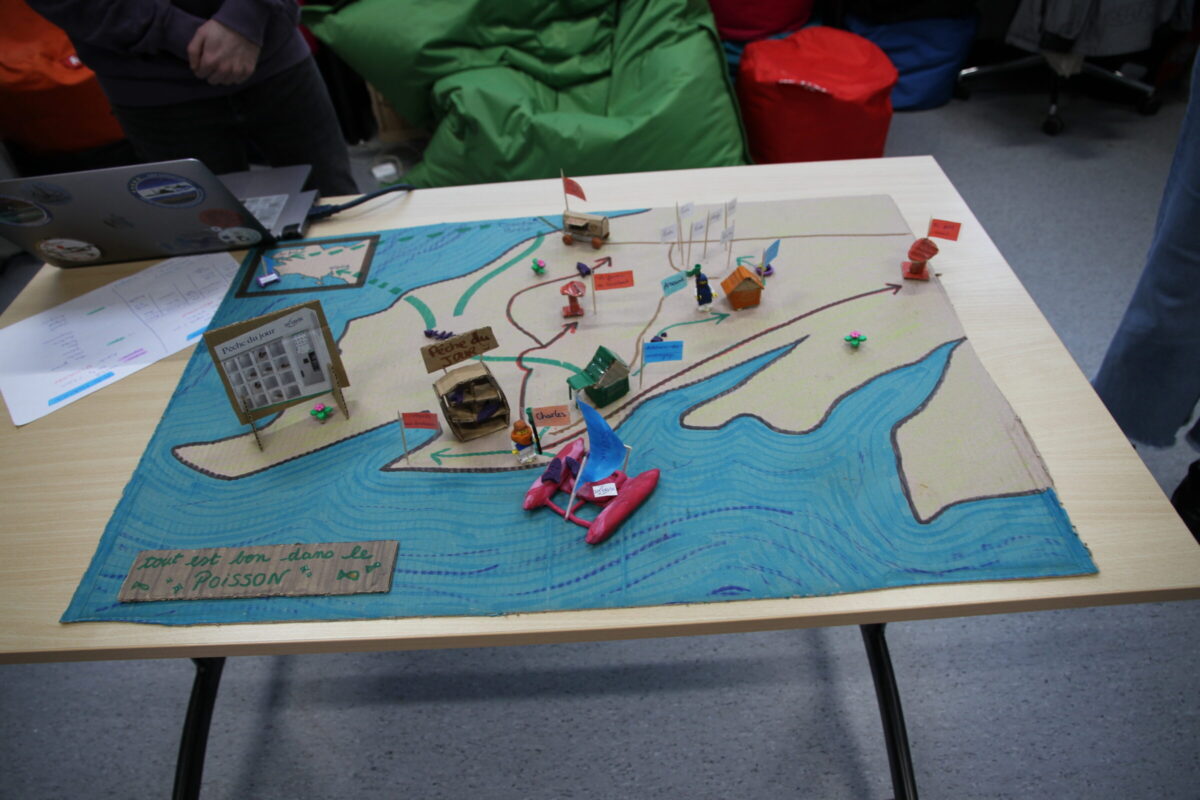
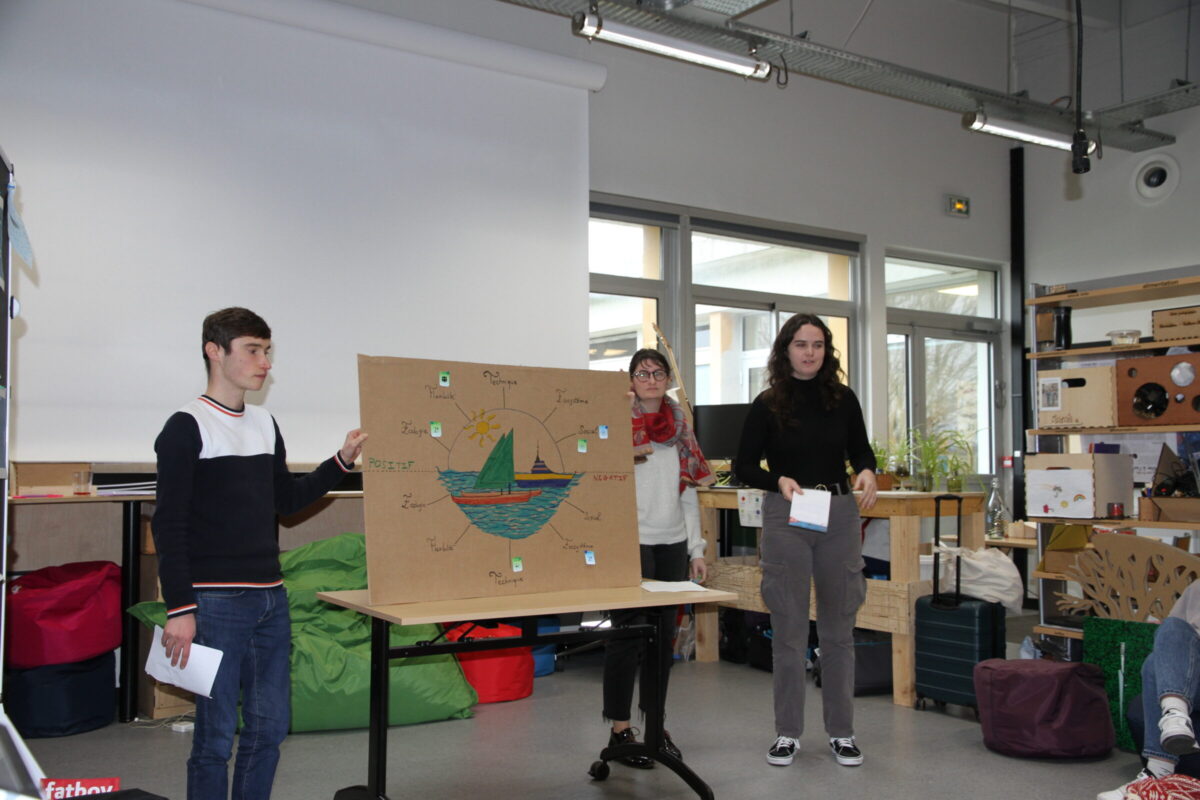
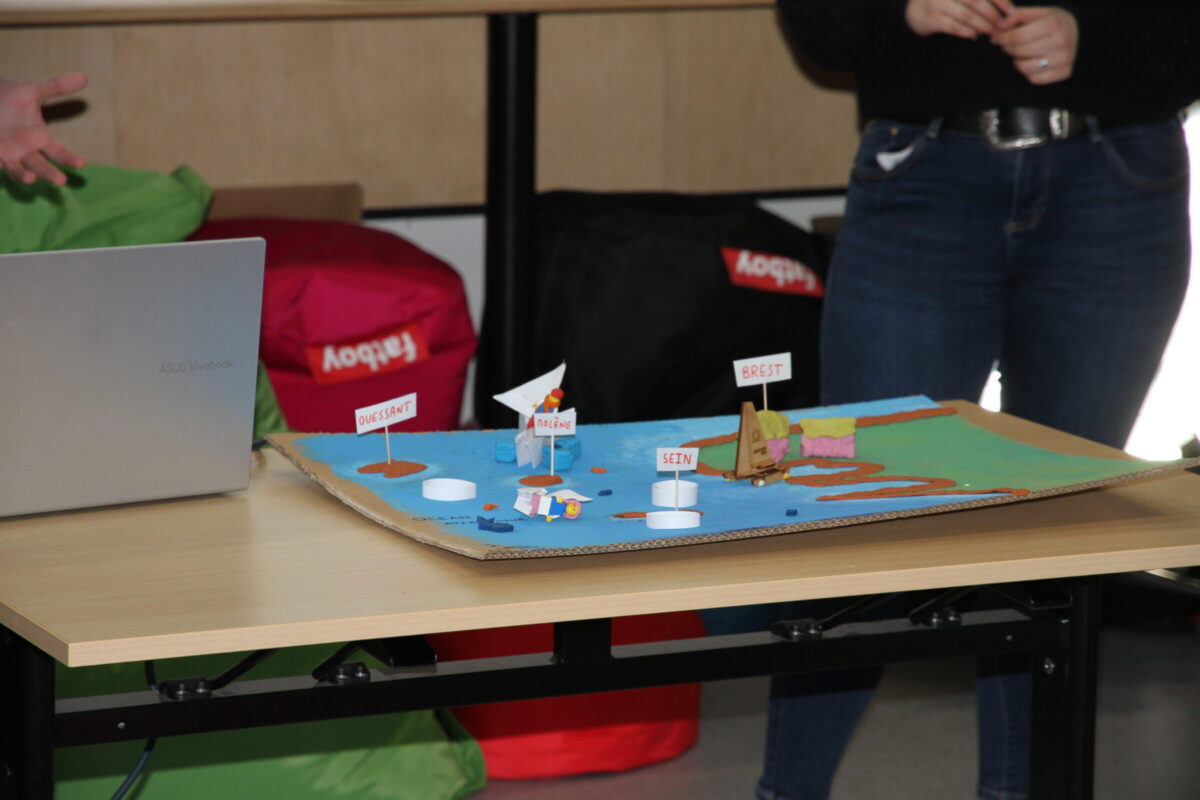
Feedback:
The supervisors invited two students who had taken part in the PIM to accompany them to the “Higher Education in the service for Society” conference organised by the SEA-EU network in Cadiz. Zoé Gibert, a Master 2 STPE, Ocean Geosciences student, shared her experience in Cadiz with us:
Supervisors:
- Sarah Noll – Disrupt Campus / UBO Open Factory
- Julia Fougère – UBO Open Factory
- Design Thinking is a human-centred approach for solving complex problems by combining creativity, empathy and iterative design methods. ↩︎
 Attention, vous utilisez un navigateur peu sûr !