BYS&CO PIM: Helping the Company BYSCO Address a Real-world Challenge While Respecting its Ecological and Economic Constraints
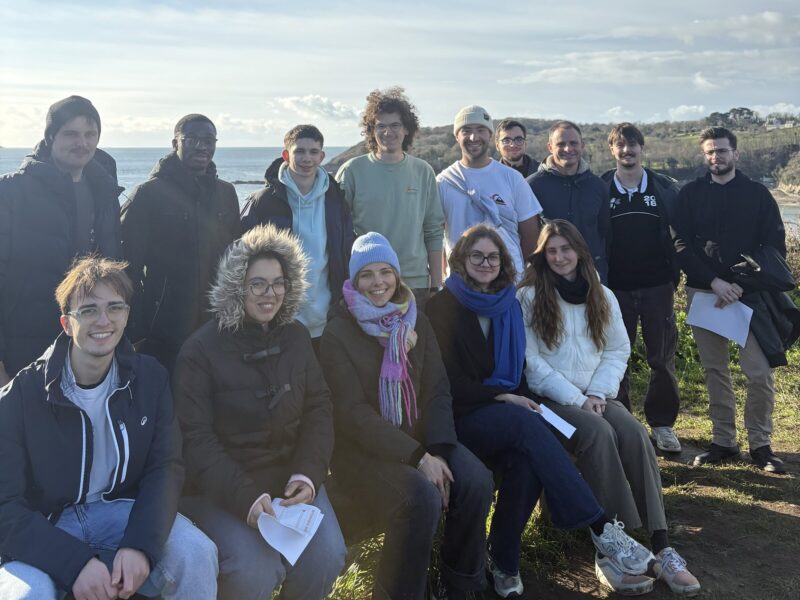
From 5 to 9 January 2026, a group of 15 students took part in the PIM BYS&CO, in partnership with BYSCO, a young Breton company engaged in the valorisation of bio-based materials.
BYSCO develops an innovation based on the recycling of byssus, also known as marine silk, a natural fibre produced by mussels. This resource offers promising opportunities as a sustainable alternative for the production of traditional textiles, technical fabrics, thermal insulation materials and acoustic absorbers. In a context of growth and international expansion, the company asked students to reflect on the conditions required for development at a European scale that is both economically viable and environmentally sustainable.
Working in interdisciplinary teams, students immersed themselves in the real-life functioning of a young company in a phase of structuring and growth. Their mission consisted of collecting data, conducting surveys and exploring different scenarios in order to address BYSCO’s key questions:
- Where are the most relevant byssus resources located in Europe?
- Who are the potential producers?
- How can the collection, storage and transport of these fibres be organised?
- Which transport solutions can best optimise both economic costs and environmental impact?
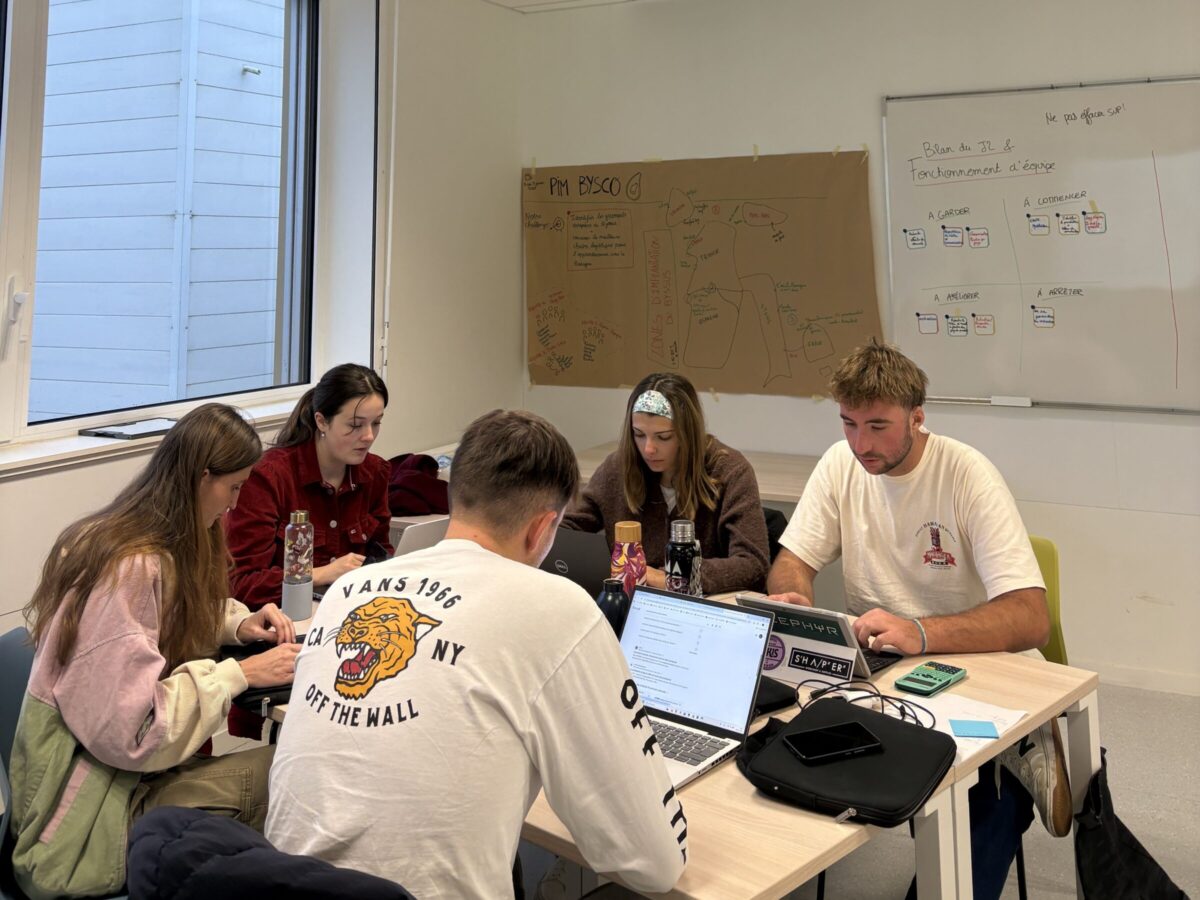
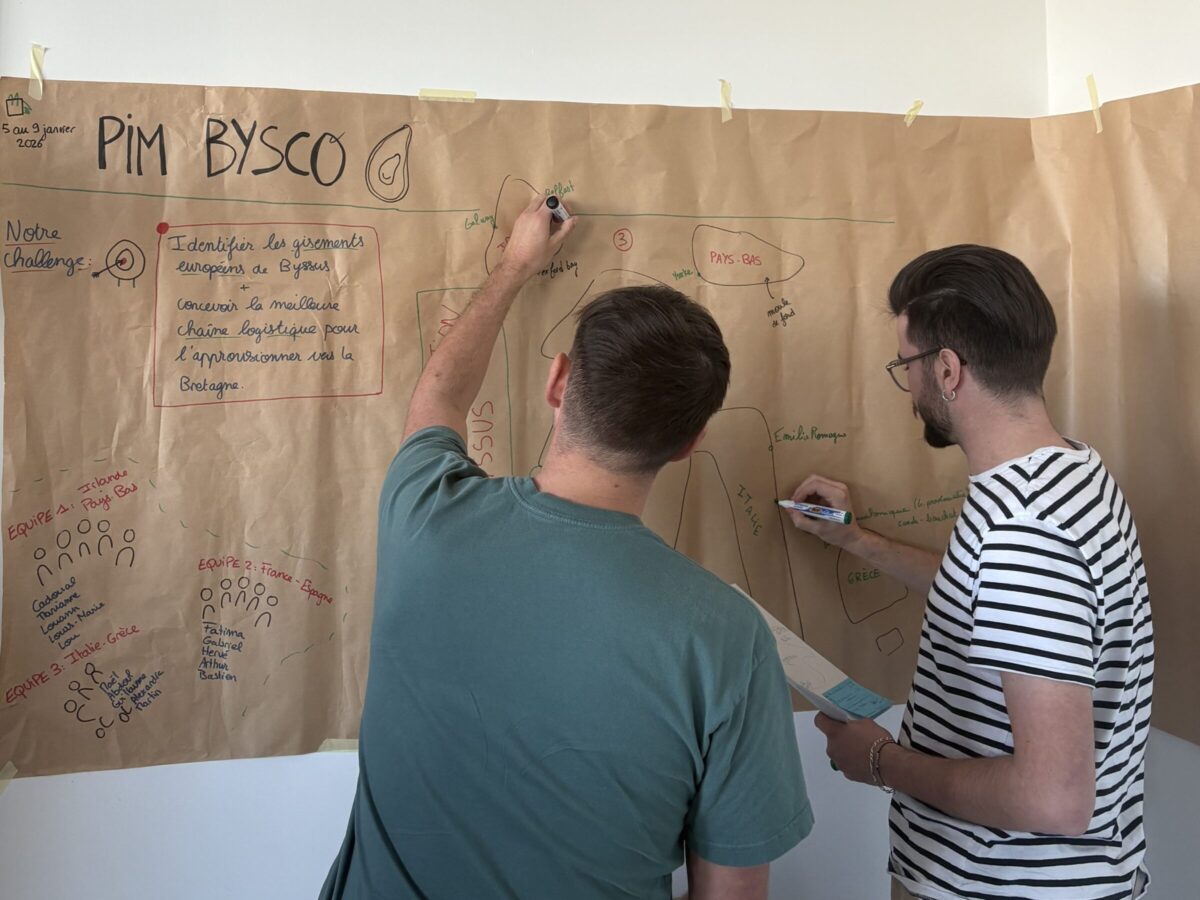
The training was based on a systemic analysis approach, integrating logistical, environmental, economic and organisational dimensions. Students compared several development scenarios at a European scale in order to identify the solutions best suited to the company’s constraints and ambitions.
At the end of the programme, the teams presented their recommendations to BYSCO, highlighting strategies that combine economic performance with reduced environmental impact. These presentations helped inform the company’s future decision-making while giving students hands-on experience of working with a real socio-economic stakeholder.
This PIM also enabled participants to become more aware of the specific constraints faced by innovative start-ups, their operating models, and the complexity of strategic decision-making in a context of ecological transition. Students developed key skills in collaborative work, data analysis, complex problem-solving and team communication: all essential for designing relevant solutions tailored to user needs.
Discover the studets’ interview during the PIM Forum:
View students’ outputs:
France-Spain Group
Italy-Greece Group
Irland-Netherland Group
Supervisors:
- Joséphine Corre, ISblue HUB/UBO
- Anna Le Cossec, Ya+K
 Attention, vous utilisez un navigateur peu sûr !