AnthropoCASE PIM: Investigating real case studies from the history of science to question the relationships between science and politics
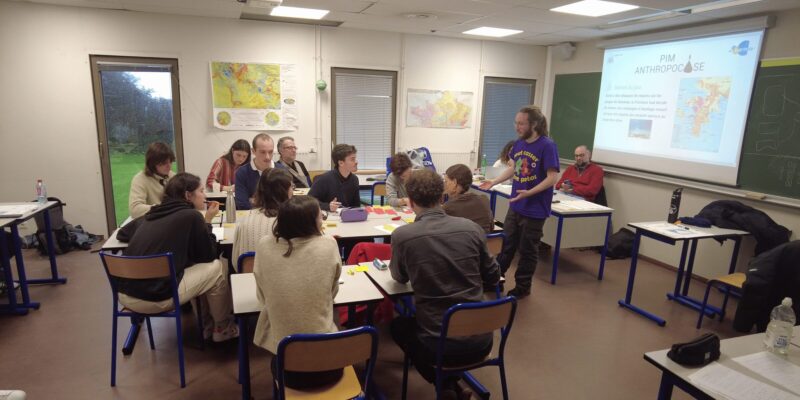
From 5 to 9 January 2026, a group of 16 students took part in the PIM AnthropoCASE programme, whose objective was to study real scientific projects developed in New Caledonia in order to question the close relationships between the construction of knowledge, political structures and power relations within a post-colonial context.
Conducting research in marine sciences sometimes requires extending fieldwork into territories that are geographically and culturally distant from mainland France. This raises ethical questions that must be carefully considered and requires researchers to develop their own critical reflection: why and how should informed consent (or even active participation) from local communities be obtained? Why and how should transparency and data sharing be ensured? Why and how should benefit-sharing and the recognition of local and Indigenous knowledge be guaranteed? How can genuine transdisciplinary work between natural sciences and social sciences be achieved? And how can science become a tool for emancipation rather than an extension of post-colonial power structures?
Drawing on historical archives and interviews with field practitioners, students explored real episodes from the history of science in order to formulate hypotheses about the geopolitical contexts, social representations, motivations of the actors involved and colonial legacies that shaped these projects.
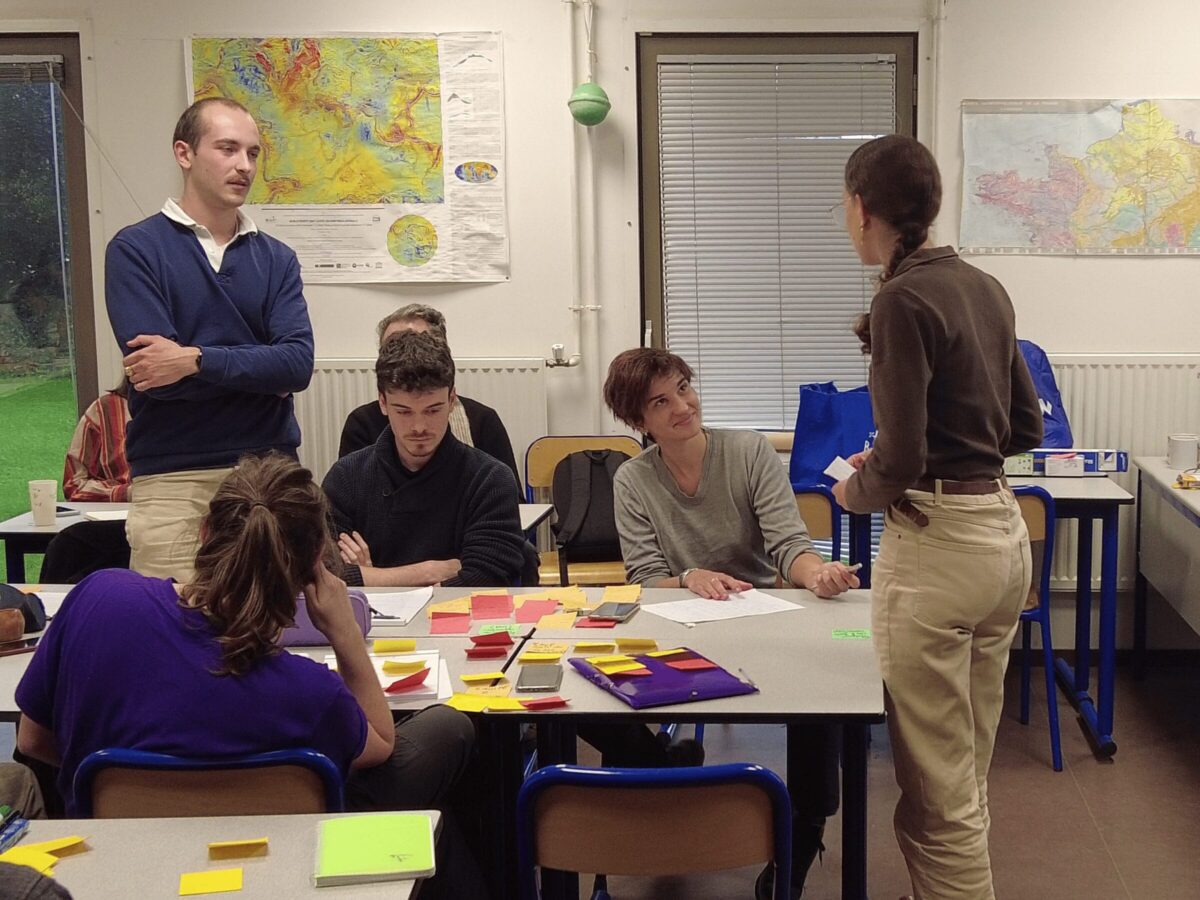
To support these investigations, students met with a range of researchers and professionals throughout the week:
- the PEPR Grands Fonds team: Violette Laarrieu, Yacine Moufid and Bérangère Husson
- Hervé Ferrière, Senior Lecturer accredited to supervise research in epistemology and the history of science and technology
- Pierre-Yves Le Meur, Research Director in anthropology at IRD
- Valelia Muni Toke, Research Fellow in anthropology at IRD
- Marguerite Godart, Research Director in geosciences at Université de Montpellier
- Martin Patriat, Marine geophysicist at Ifremer
- Michael Royer, Director of the fishing company Iaora Export, interviewed by videoconference from New Caledonia
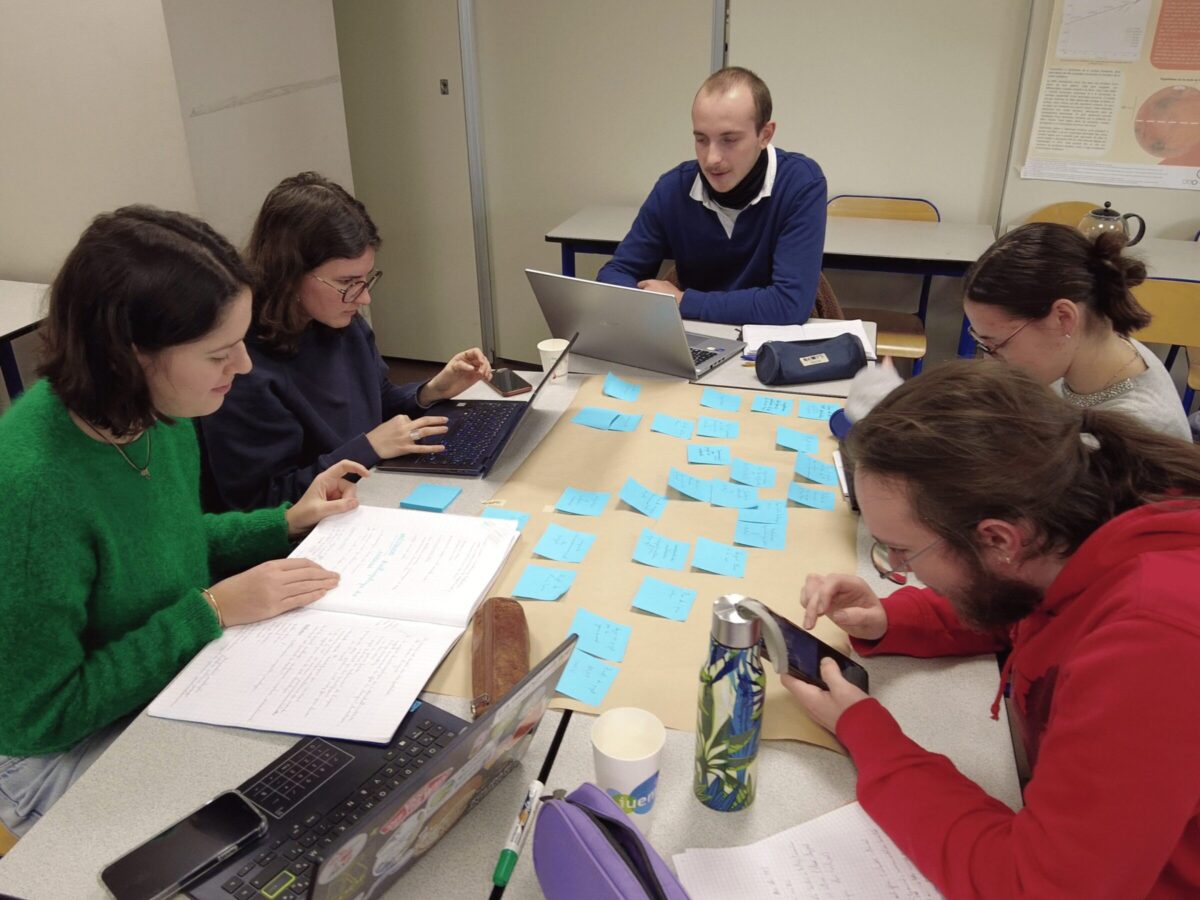
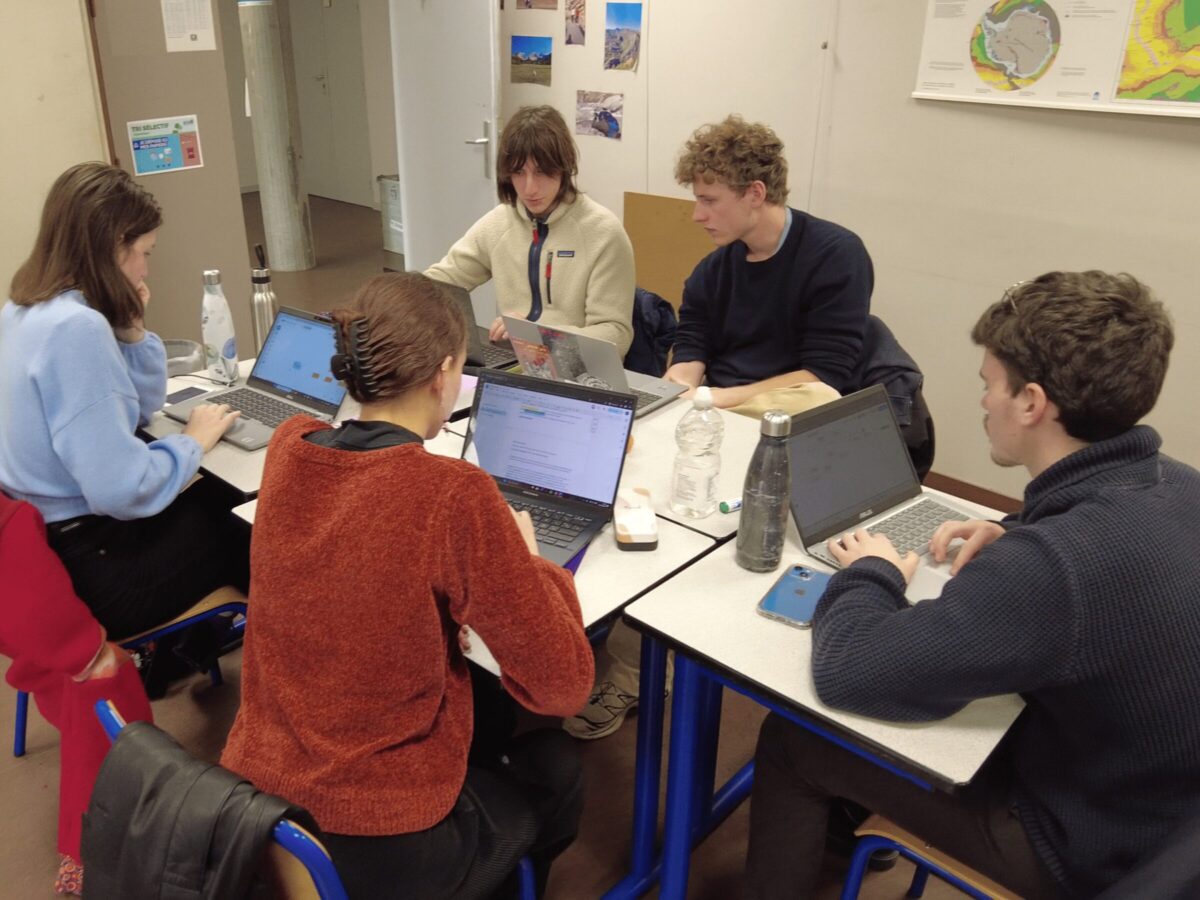
These experts provided essential insights that guided the students’ critical analyses. Participants produced a cause-and-effect tree, designed several posters and developed a guide of good practices intended for researchers.
This programme enabled participants to develop analytical, methodological and reflexive skills, while questioning their own position as future scientists, including issues of neutrality, engagement, partnerships and decentring European perspectives. They were encouraged to think critically about the production and governance of knowledge in contexts shaped by complex colonial legacies.
Discover the students’ interview during the PIM Forum:
View the student’s outputs:
Supervisors:
- Marie-Eve Perrin, SENS/Université de Montpellier Paul-Valéry
- Julien Collot, GeoOcean/UBO
 Attention, vous utilisez un navigateur peu sûr !