BREST4FUTURS PIM: Imagining Fictional Narratives to Project Ourselves into the Future of the Brest Metropolitan Area
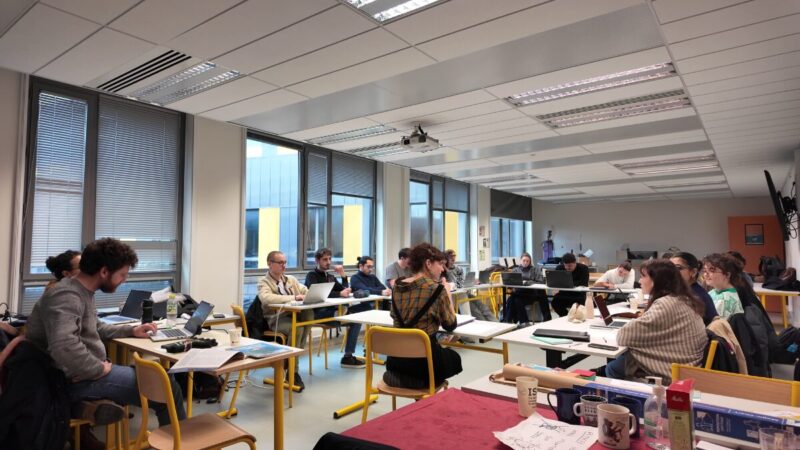
From 5 to 9 January 2026, the Brest4Futurs project brought together 16 students to write speculative fiction narratives imagining the future of the Brest metropolitan area by 2050. Designed by ISblue in partnership with the Urban Ecology Department of Brest Métropole, the project aimed to develop innovative mediation tools to help people envision realistic futures in response to climate challenges.
As part of the revision of its future Territorial Climate, Air and Energy Plan (PCAET), Brest Métropole aims to place greater emphasis on themes related to climate adaptation, social justice and environmental health. The Brest4Futurs project therefore invited students to create four character-driven narratives featuring people from contrasting social backgrounds (age, gender, social environment and place of residence), in order to highlight inequalities in access to adaptation measures implemented by local authorities. To better grasp climate-related challenges, the stories explored the daily lives of these characters through situations expected to become increasingly frequent, ranging from summer heatwaves to heavier winter rainfall.
To support their work, students met with several departments from the metropolitan authority and the City of Brest, as well as organisations specialising in climate adaptation, social issues and territorial dynamics. The week began with meetings involving various departments responsible for different public policies: the Territorial Climate, Air and Energy Plan (PCAET), urban planning (PLU), social action and local services. Students were able to draw on presentations concerning the territory’s climate vulnerability assessment and the first strategic orientations defined for the future urban project looking ahead to 2040.
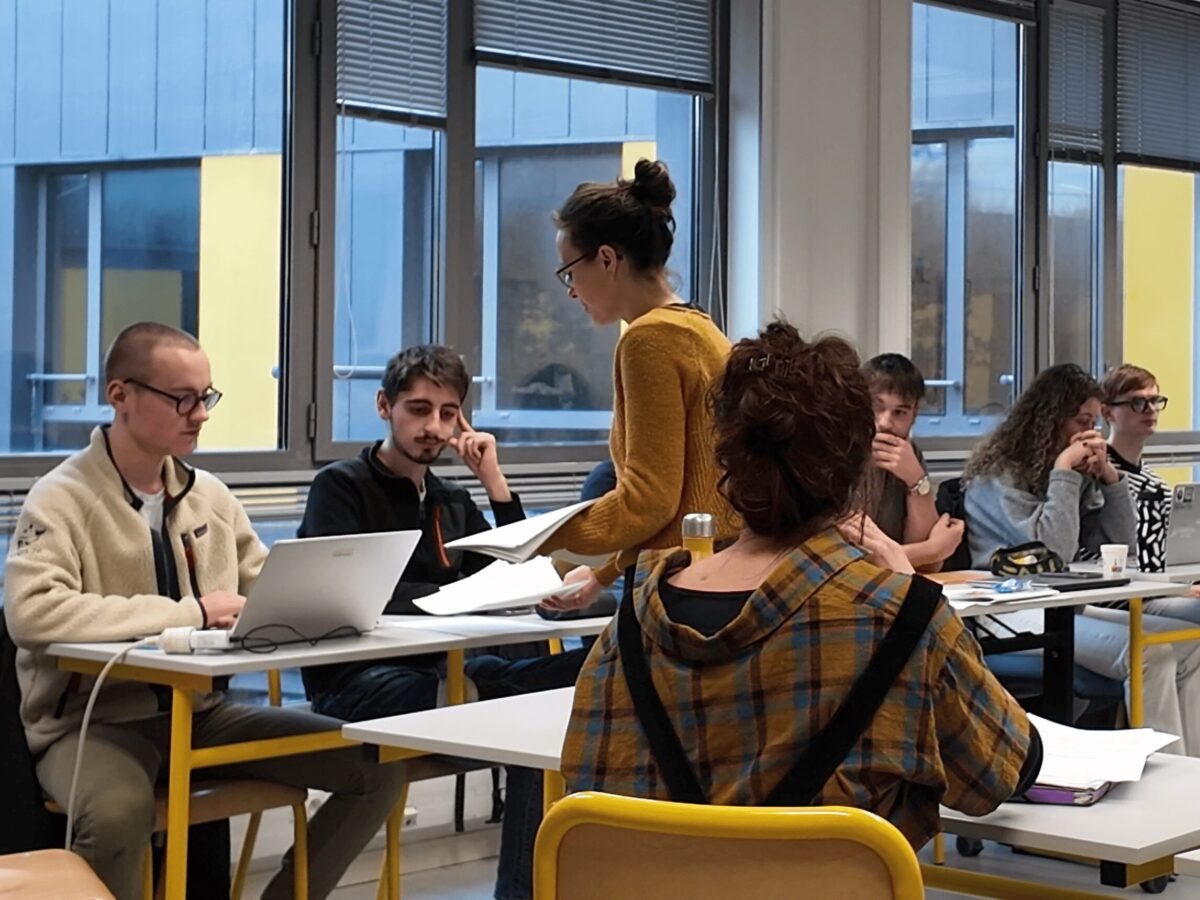
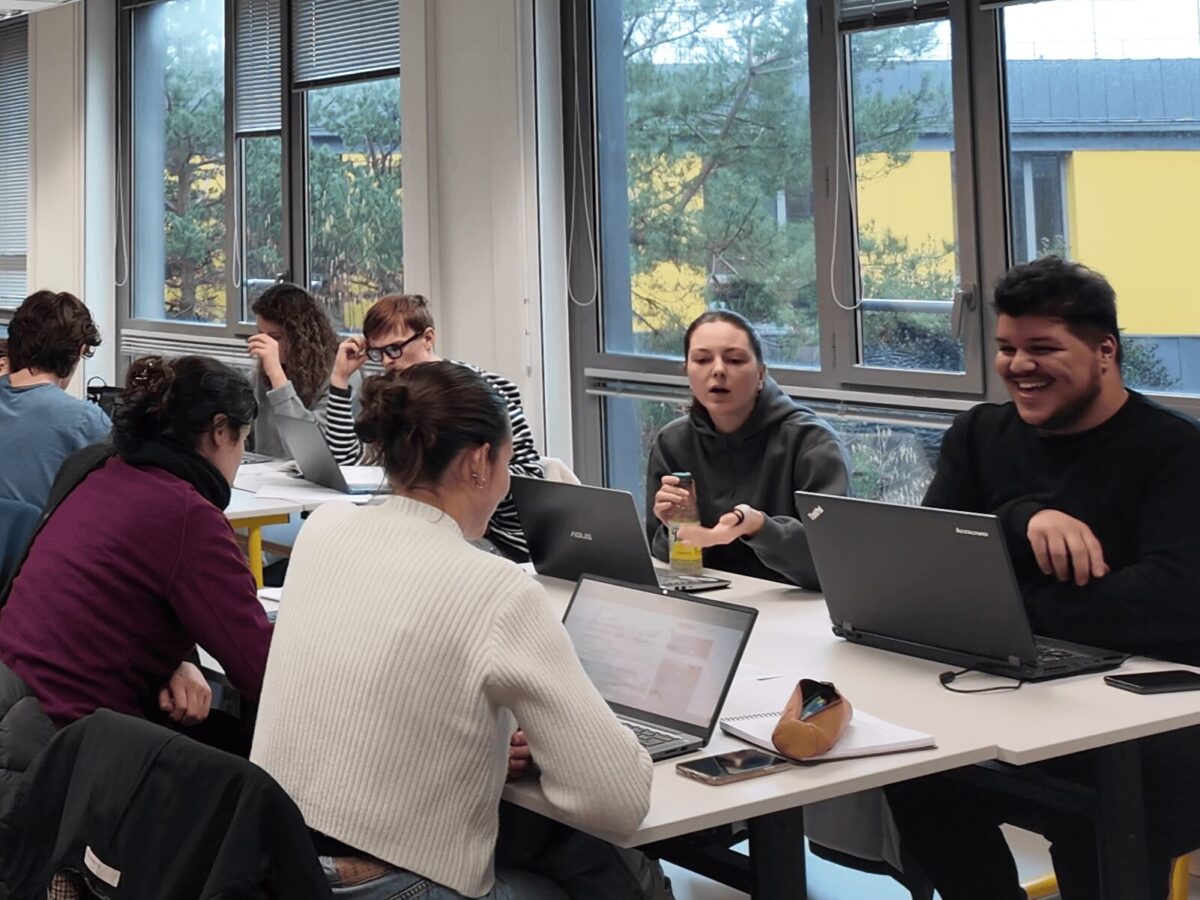
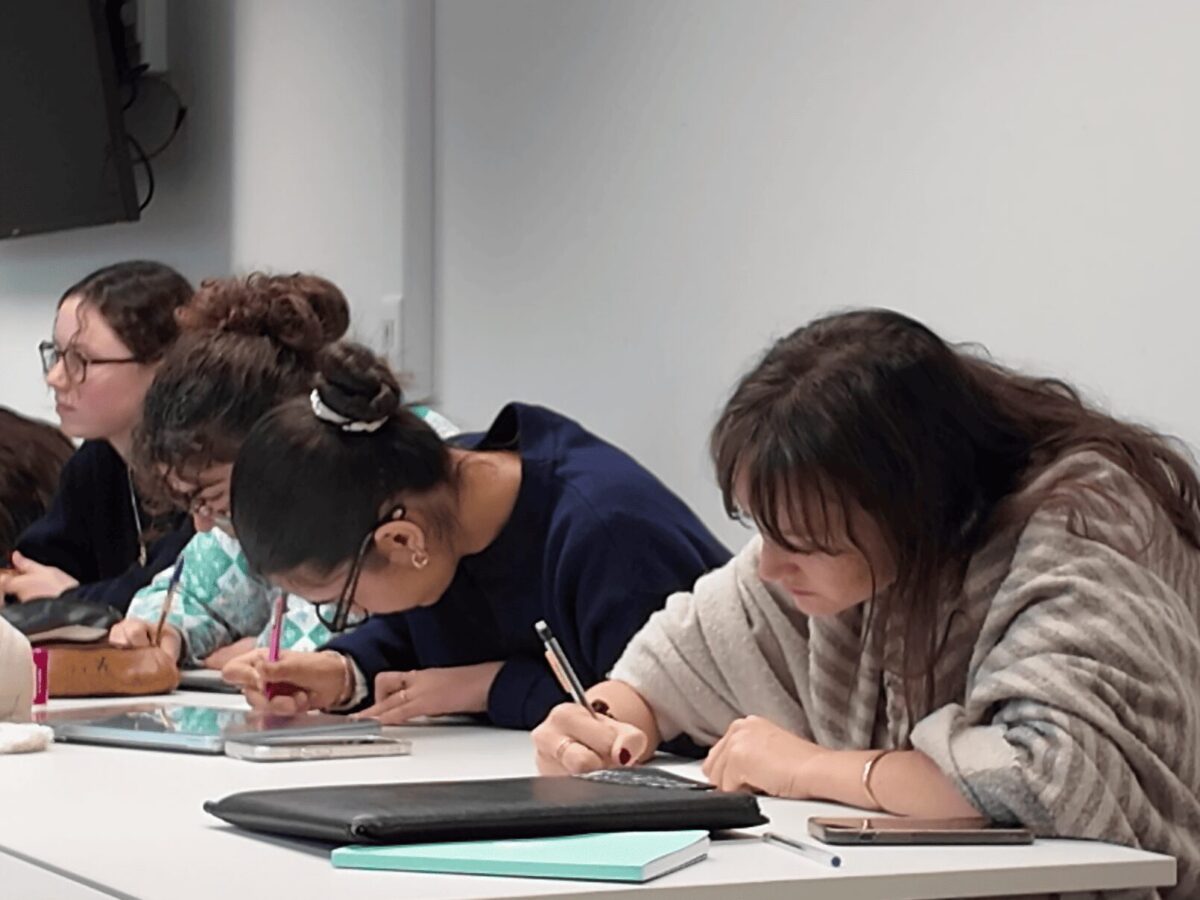
In addition, participants attended sessions led by other organisations: Breizh ALEC on climate adaptation and social justice issues, Ener’gence on local adaptation solutions and practical examples, and ADEUPa on the socio-demographic profile of the territory and projections for 2040.
The student group was also supported by Anaël Guyomarc’h, described as a craftswoman of writing and spoken expression, for the development of the narratives, as well as by Nicole Roux, Professor of Sociology at Université Bretagne Occidentale, who guided the construction of the personas and introduced key notions of environmental inequalities and social justice.
Through this programme, participants developed a nuanced and systemic understanding of climate issues, local public policies and social inequalities. This PIM enabled them to design accessible, sensitive and original forms of public engagement and storytelling aimed at fostering understanding and public debate.
Discover the students’ interview during the PIM Forum:
View students’ outputs:
Supervisors:
- Justine Castrec, ISblue/UBO
- Mathieu Regnauld de la Soudière, ISblue/ENSTA
 Attention, vous utilisez un navigateur peu sûr !