“Anthropocene Trajectories” Training at Université Bretagne Sud with Lecturers from Université Grenoble Alpes
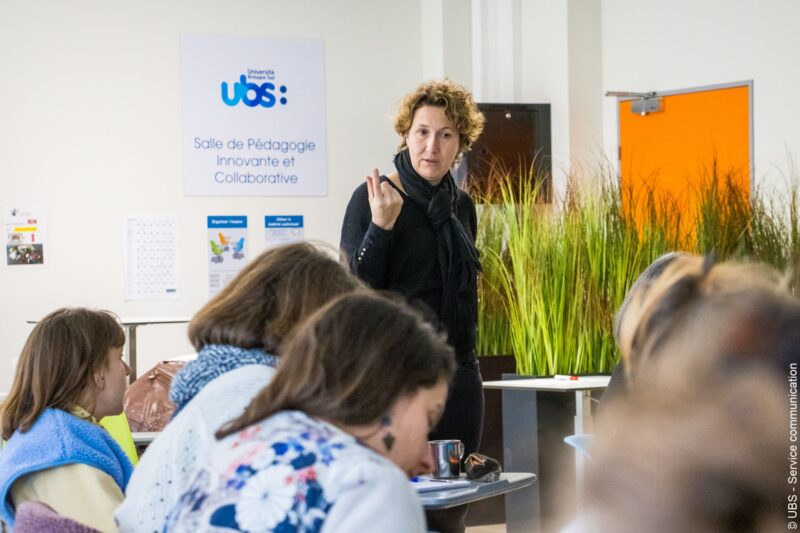
Learning by and for peers: this is the approach recommended by many reports on the ecological transition in order to transform practices within our institutions. What could be more effective than hearing from colleagues who have already tested and implemented successful approaches?
At the end of March, Université Bretagne Sud welcomed colleagues from Université Grenoble Alpes for two days of training sessions and discussions focused on teaching Socio-Environmental Transformations to students. They shared their expertise with around twenty lecturers and members of the ISblue community.
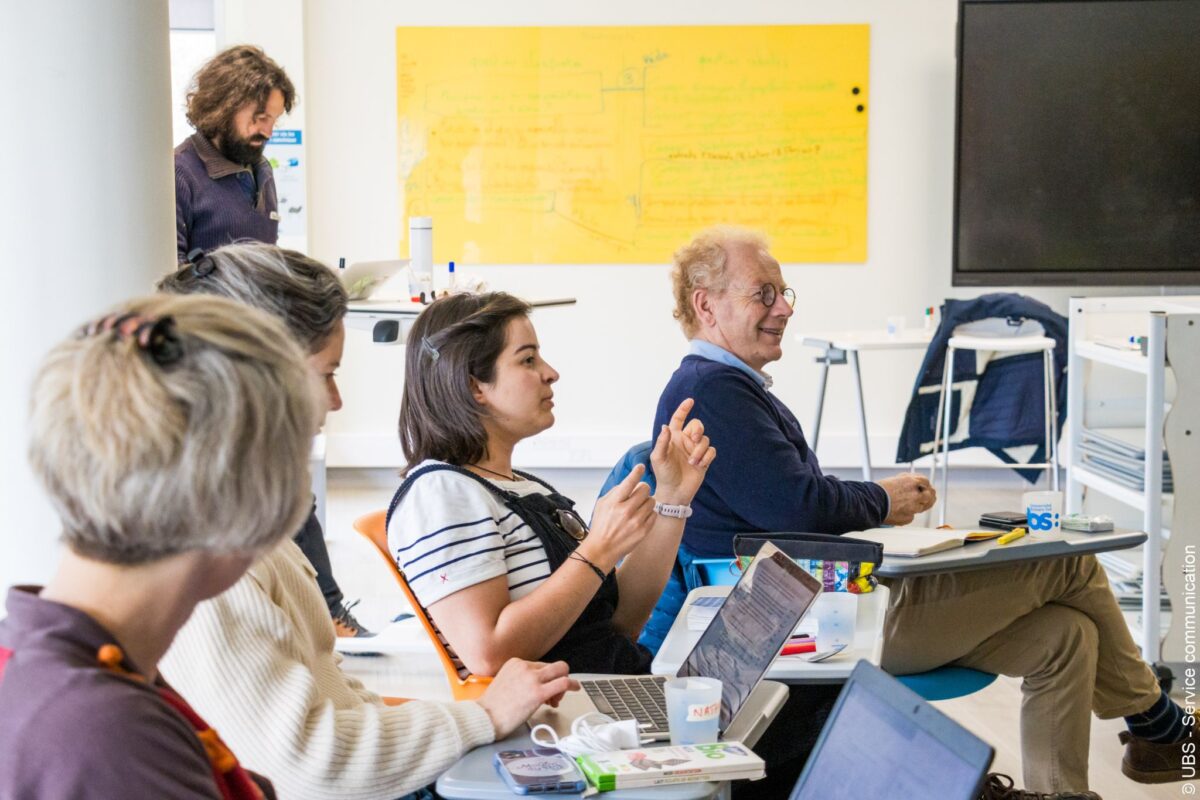
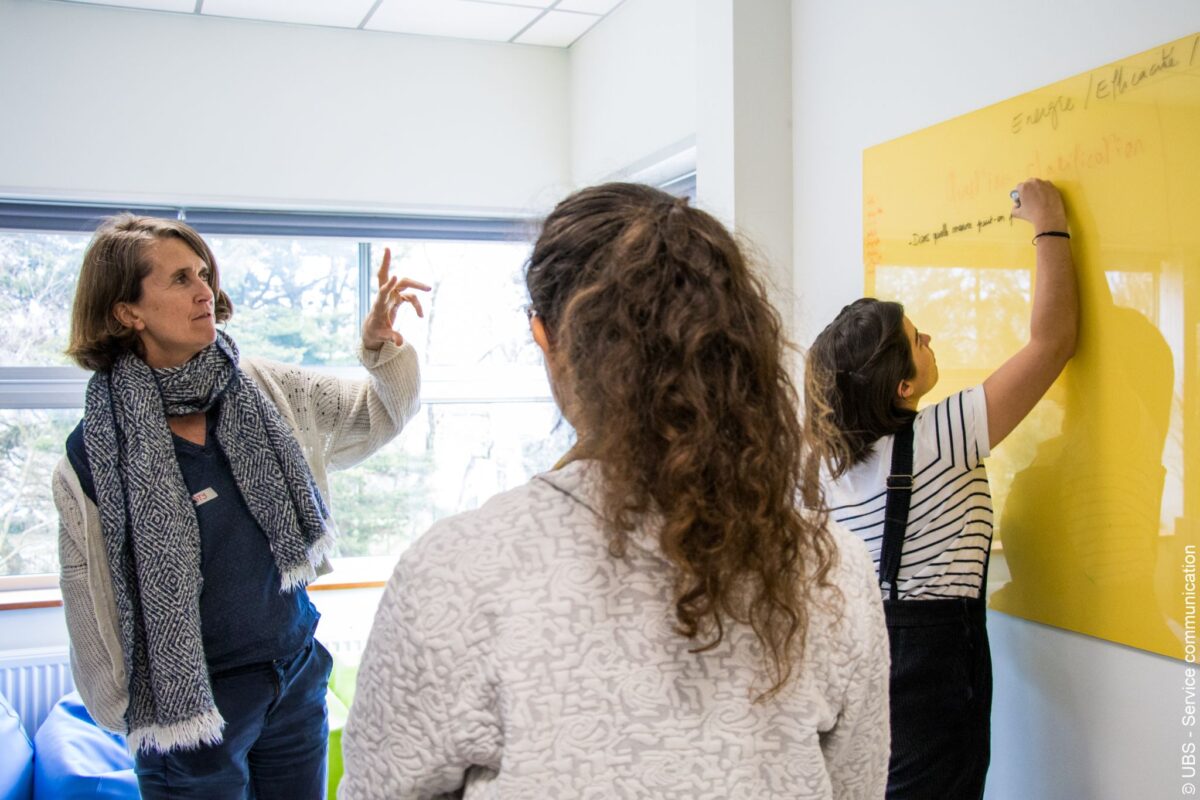
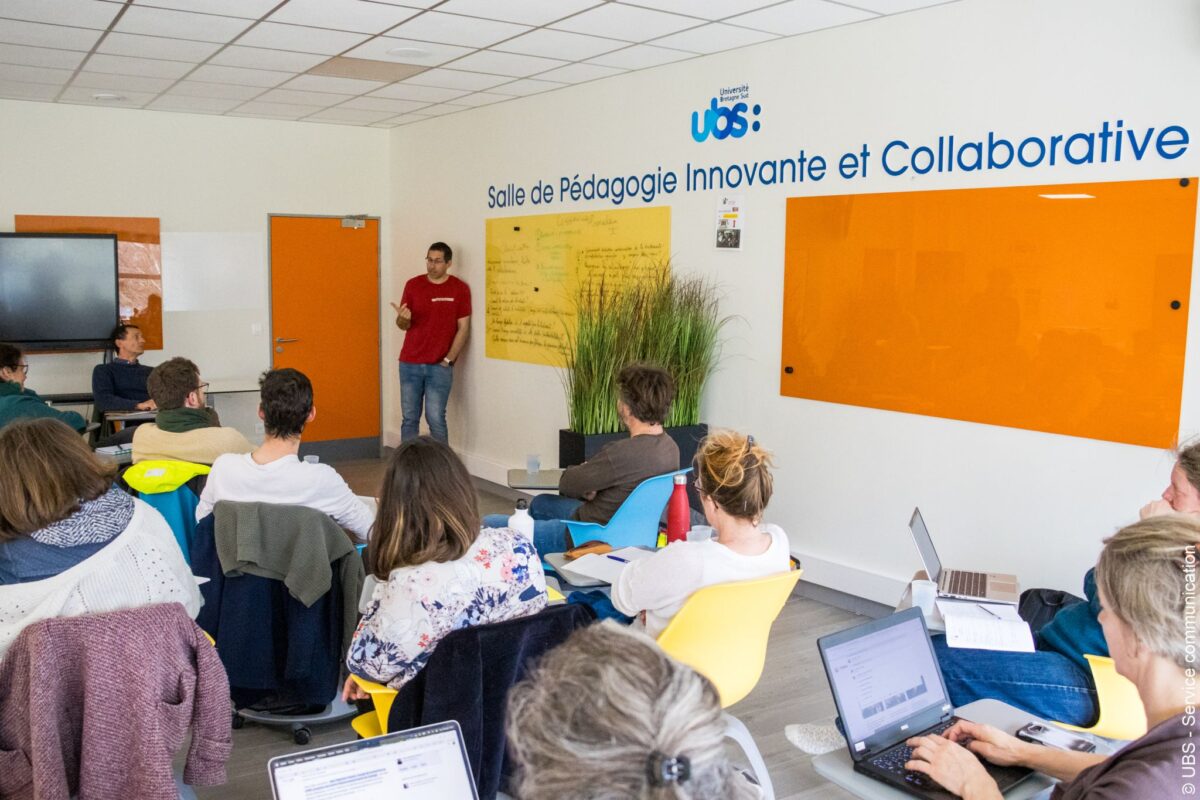
Participants discovered a range of workshops that they will later be able to facilitate with their own students: role-playing activities, clarification of concepts related to climate disruption, biodiversity, pollution and the rebound effect, envisioning both worst- and best-case futures, and debates designed to develop critical thinking skills.
Methodology, facilitation posture, emotional management: all questions could be raised in order to better appropriate these educational tools and strengthen lecturers’ facilitation skills.
The aim of these two days was, of course, to deepen participants’ systemic understanding of societal and environmental change, but also to create a supportive community dedicated to improving the teaching of these issues.
Blue Training Horizons made it possible to open this training course to ISblue partner institutions and provided financial support to Université Bretagne Sud for hosting the training team from Université Grenoble Alpes.
Discover LinkedIn post published by Université Bretagne Sud.
 Attention, vous utilisez un navigateur peu sûr !