DEMAR PIM: Exploring the Multidimensional Challenges of Decarbonising MARitime Transport
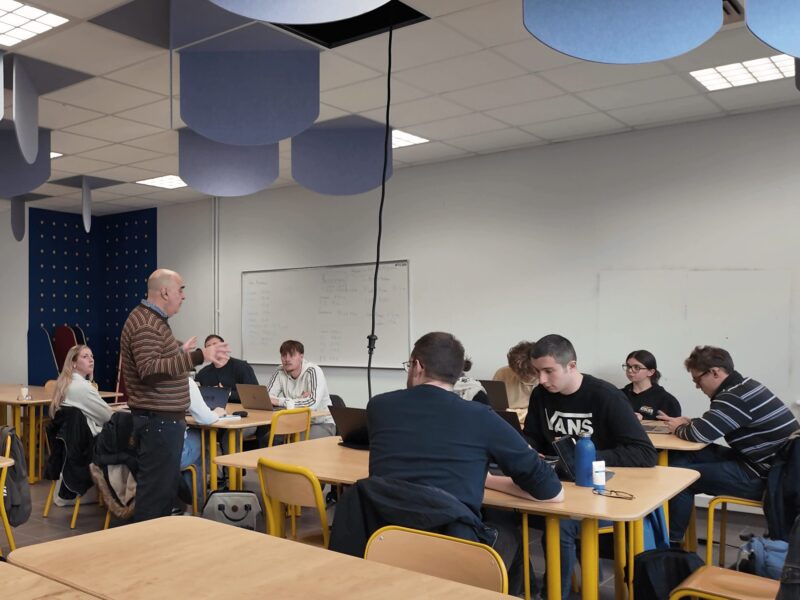
From 5 to 9 January 2026, the PIM DEMAR programme offered 16 students an immersive experience into the scientific, technical and socio-economic challenges of decarbonising maritime transport: a key sector of international trade and a major source of greenhouse gas emissions. In the context of carbon neutrality targets, the project aimed to examine the systemic transformations required and the trade-offs between technical, regulatory and economic constraints.
Organised over five intensive days, the programme was based on a case study focused on Asia–Europe shipping routes. Working in small groups, students analysed the current state of the sector, identified key stakeholders and constraints, and explored alternative future scenarios.
Focusing on international container transport, they mapped and assessed decarbonisation strategies in the short, medium and long term. These included considerations ranging from energy systems to port infrastructure development and the characterisation of major maritime routes.
The programme alternated between analysis phases, modelling work and multi-criteria evaluation integrating environmental, economic, legal and logistical dimensions. Contributions from researchers and maritime professionals further enriched the discussions and grounded the work in real-world challenges:
- Christophe Chabert, President of the Executive Board of Port of Brest, presenting decarbonisation projects and offshore renewable energy developments at the port
- Melody Leplat, lecturer in economics and management, presenting the economic challenges of the energy transition
- Lyna Maaziz, postdoctoral researcher at IRENav, presenting the evolution of European and international regulations on decarbonisation targets
- Peng Peng, associate professor at the Chinese Academy of Sciences, presenting the role of GIS tools in advancing research on international maritime transport
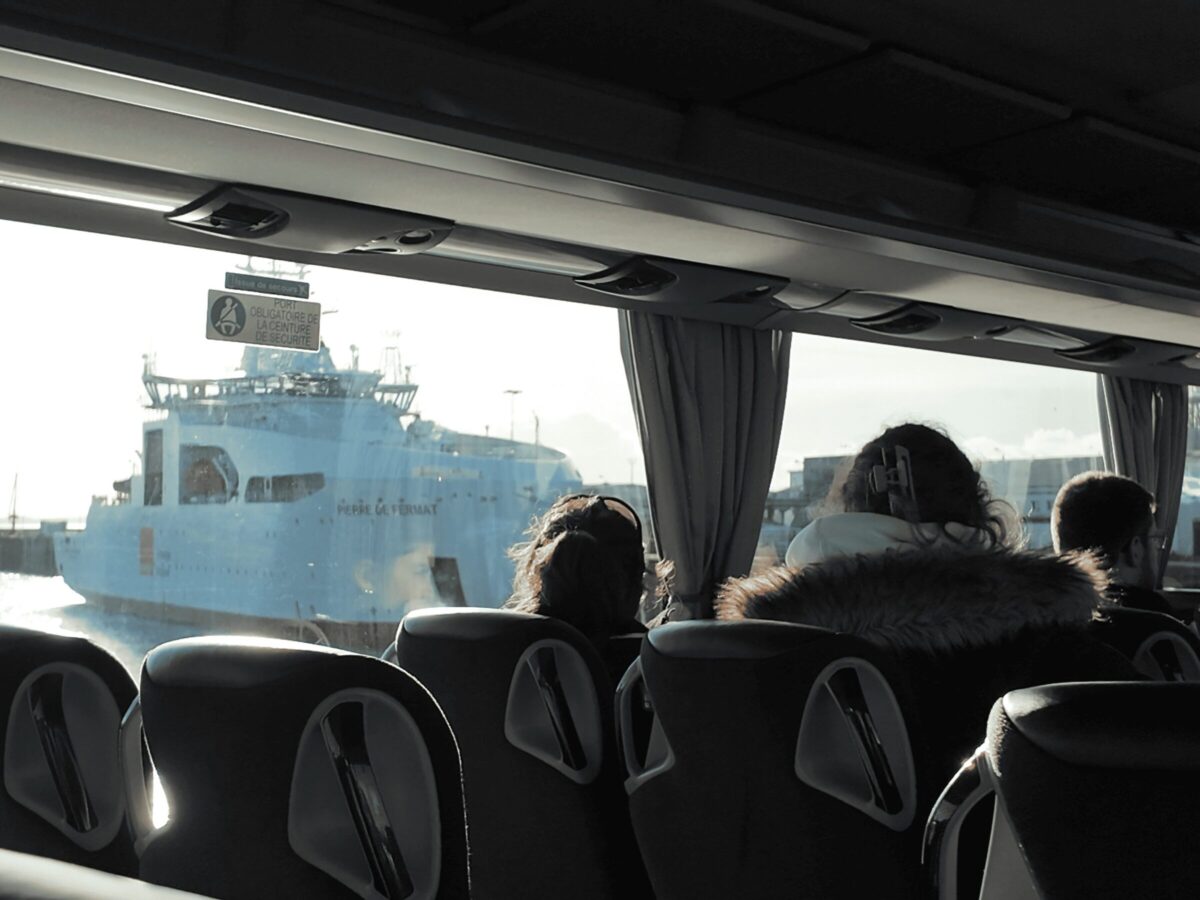
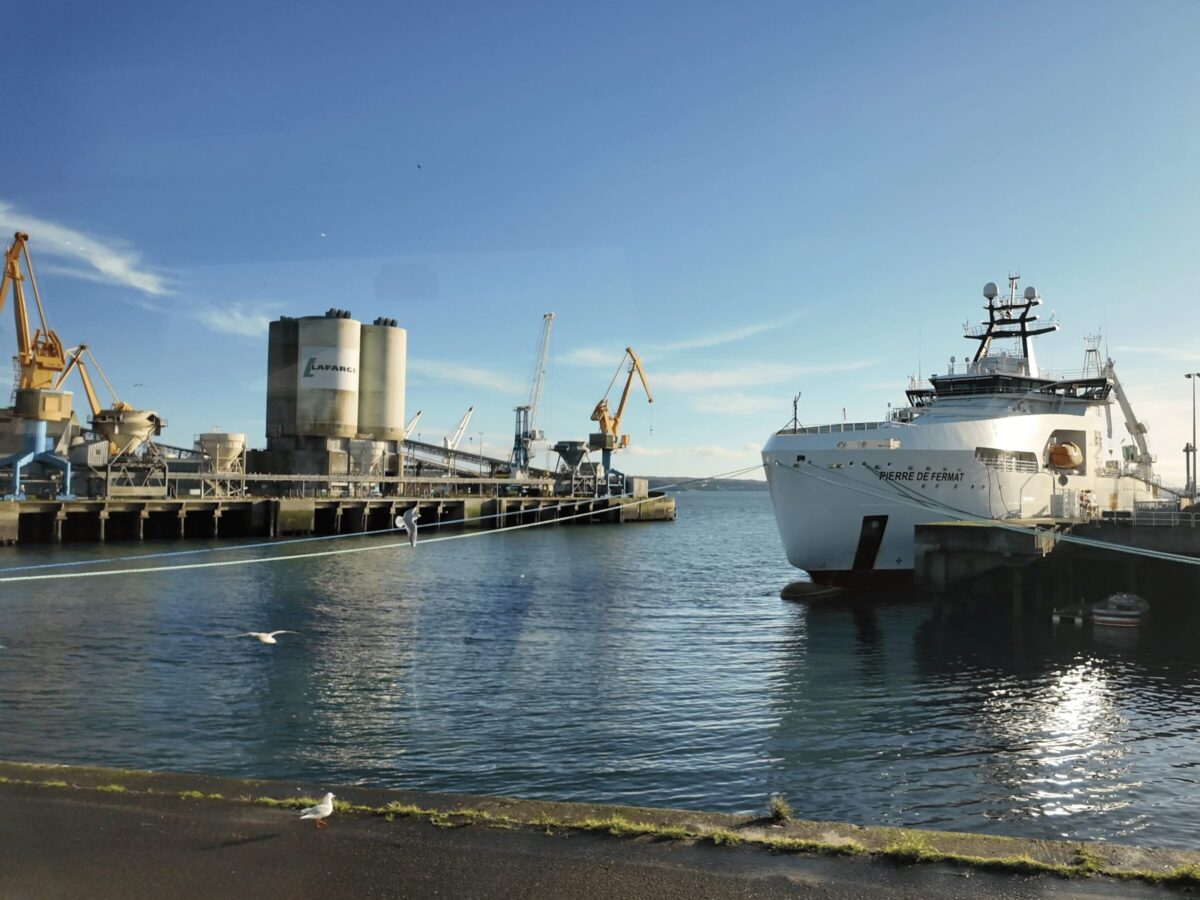
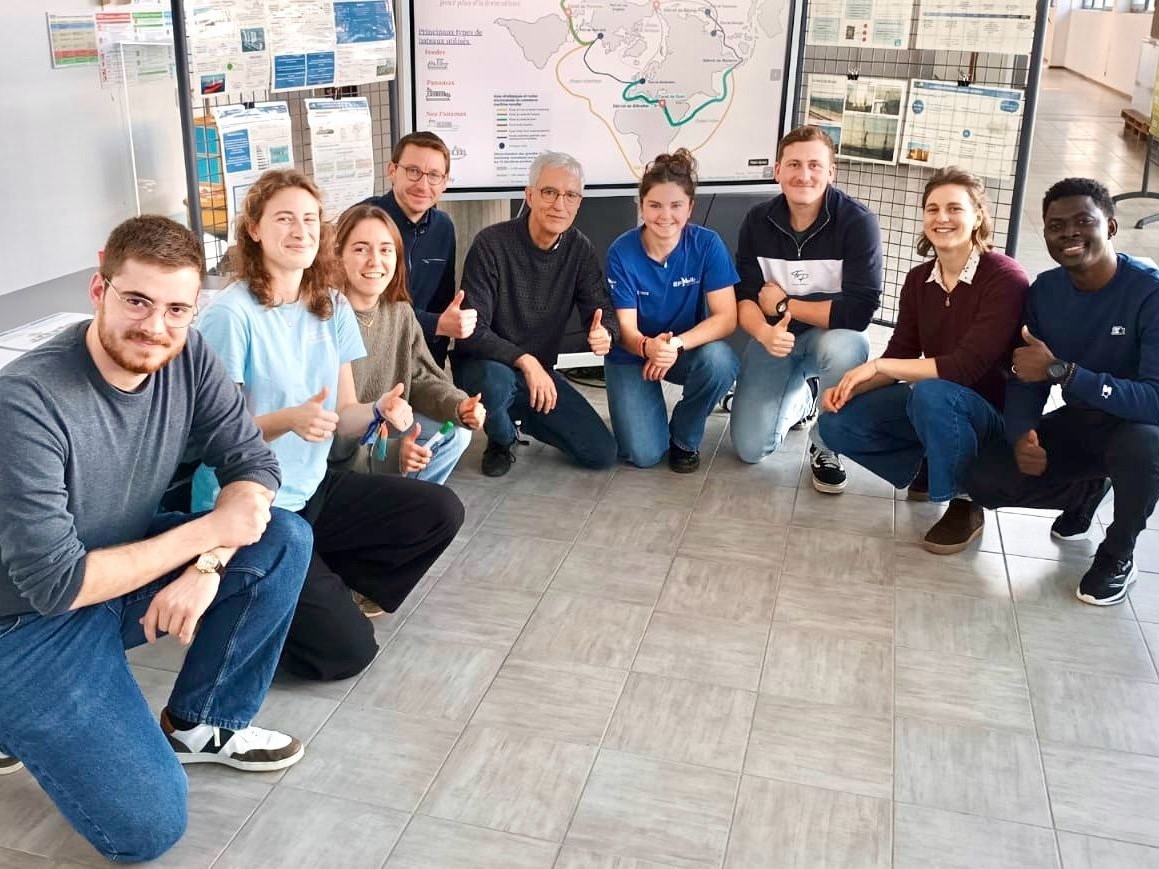
The week concluded with a final presentation in the form of pitches, posters and an interactive map, showcasing the proposals developed by the groups.
At the end of the programme, participants had developed a comprehensive and critical understanding of the challenges involved in the ecological transition of the maritime sector, as well as the ability to apply a systemic and interdisciplinary approach in dialogue with territorial stakeholders.
Discover the students’ interview during the PIM Forum:
View studens’ outputs:
Supervisors:
 Attention, vous utilisez un navigateur peu sûr !