FOF PIM: Exploring the Scientific and Strategic Challenges of the French Oceanographic Fleet
2026
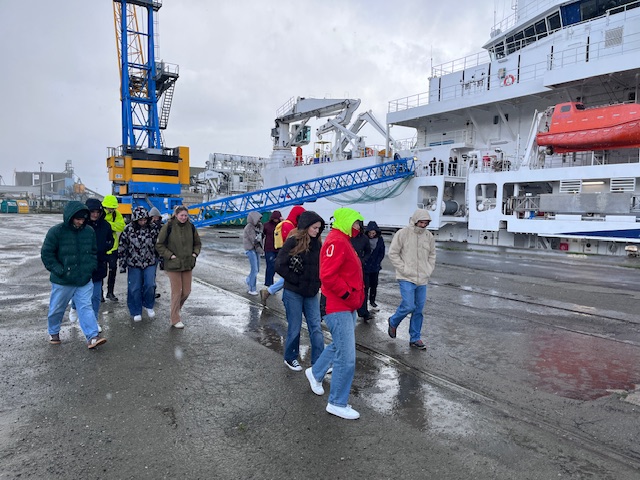
Following the success of the 2025 edition, 16 students once again had the opportunity to take part in the FOF PIM from 5 to 9 January 2026, exploring the scientific and strategic challenges of the French Oceanographic Fleet. Through the development of four fictional oceanographic campaigns, the students discovered the organisation, challenges and future prospects of the French Oceanographic Fleet (FOF).
Once again this year, the students had the opportunity to meet a wide range of stakeholders involved in the FOF and offshore scientific campaigns:
- Sylvie Leroy (Chair of the National Offshore Fleet Commission)
- Eric Foucher (Chair of the National Coastal Fleet Commission)
- Edouard Couan (Operations Department – Genavir)
- Goulwen Peltier (Head of Naval Operations – French Oceanographic Fleet)
- Anne Lorrain (Biologist, Laboratoire des sciences de l’environnement marin)
- Thibaut Barreyre (Geologist, GEO OCEAN)
- Martin Patriat (Geologist, GEO OCEAN)
- Nicolas Duprey (Biologist, Laboratoire des sciences de l’environnement marin)
- Camille Richon (Plastics specialist, Laboratoire des sciences de l’environnement marin)
- Hélène Leau (Research Vessels, Ifremer)
- Benoit Loubrieu (Cartographer, Ifremer)
- Yvan Réaud (Head of Seabed Sampling Equipment, Genavir)


Discover the students’ interview during the PIM Forum:
View the students’ projects and outputs:
PIM Supervisors:
- David Graindorge, GeoOcean/UBO
- Julien Collot, GeoOcean/UBO
2025
From 6 to 10 January 2025, fifteen Master’s students participated in the FOF PIM, exploring the scientific and strategic challenges of the French Oceanographic Fleet (FOF). Supervised by David Graindorge and Julien Collot (GeoOcean/UBO), they discovered the organisation, challenges, and future perspectives of the Flotte Océanographique Française (FOF).
The FOF includes deep-sea and coastal vessels, underwater vehicles, and mobile equipment that allow exploration of the world’s oceans. This five-day workshop aimed to introduce students to the multiple stages involved in planning a scientific campaign, while highlighting the environmental, technical, and societal issues associated with these missions.
Over the week, participants from various ISblue disciplines (Engineering, Chemistry, Geosciences, Management, Physics, Law, Biotechnology, etc.) assumed the role of young researchers preparing an oceanographic campaign. Their goal was to plan a campaign from A to Z to address a scientific question.
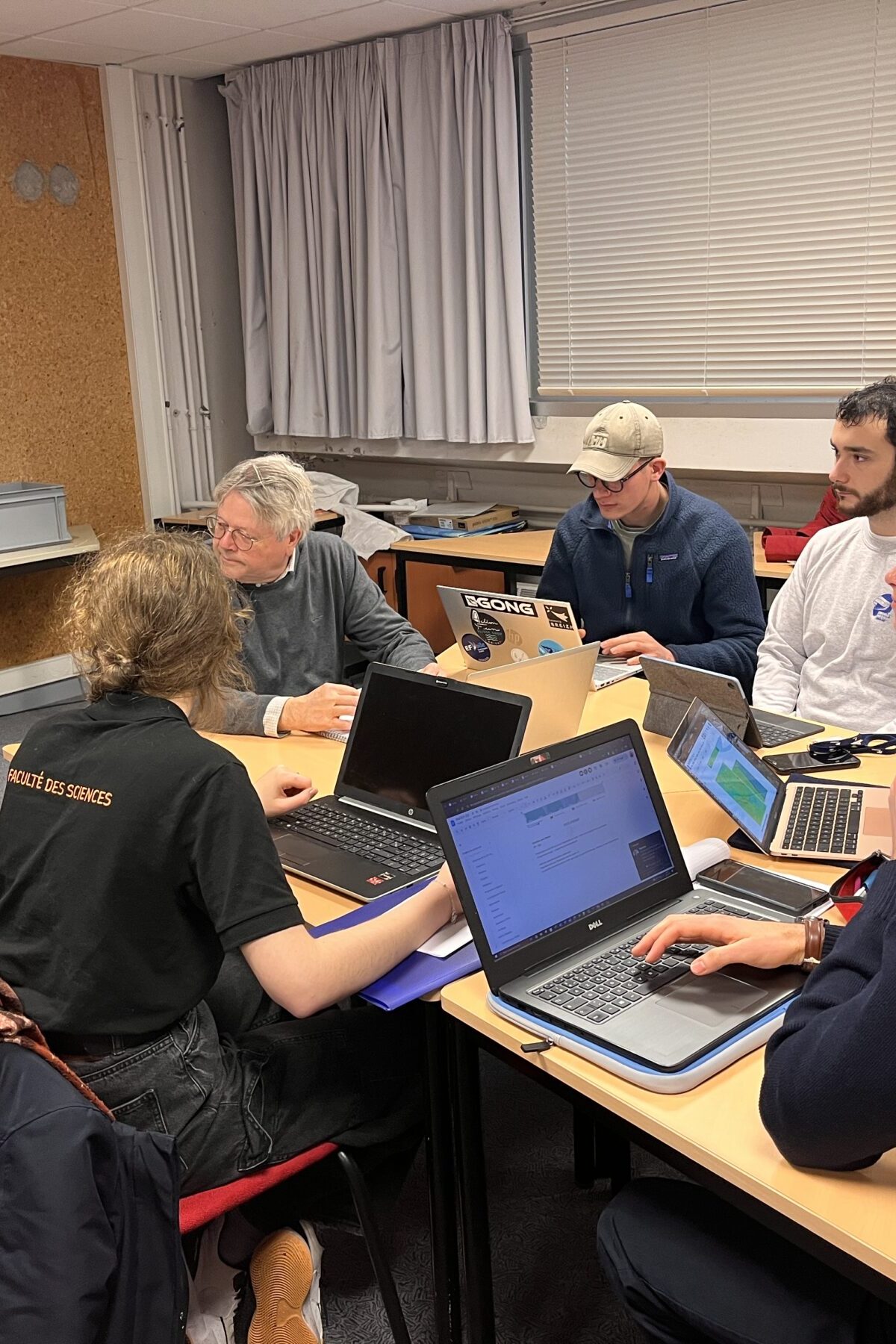
Divided into three groups, they selected the following themes:
- A campaign project on nuclear waste submerged in the oceans (DERCA)
- A campaign project linked to the EXTRAPLAC programme for Continental Shelf Extension (FIDJIPLAC)
- A campaign project related to multidisciplinary exploration of oceanic accretion ridges (HYDROBOT)
Key activities of the workshop included:
- Meetings with FOF experts: Students engaged with managers, technicians, and scientists to better understand the fleet’s operations (Goulwen Peltier (DFO Ifremer), Erwan Nedelec (GENAVIR) Sylvie Leroy (Sorbonne Université) et Eric FOUCHER (Ifremer))
- Independent team work: Groups analysed environmental, logistical, and societal constraints of a mission at sea, explored the capabilities of vessels, underwater vehicles, and equipment, and identified the tools required for their project. They were supported by domain experts (Karine Olu (Ifremer), Walter Roest (Ifremer), Elodie Martinez (IRD), Javier Escartin (CNRS), Benoit Loubrieu (Ifremer) et Yannick Thomas (Ifremer)).
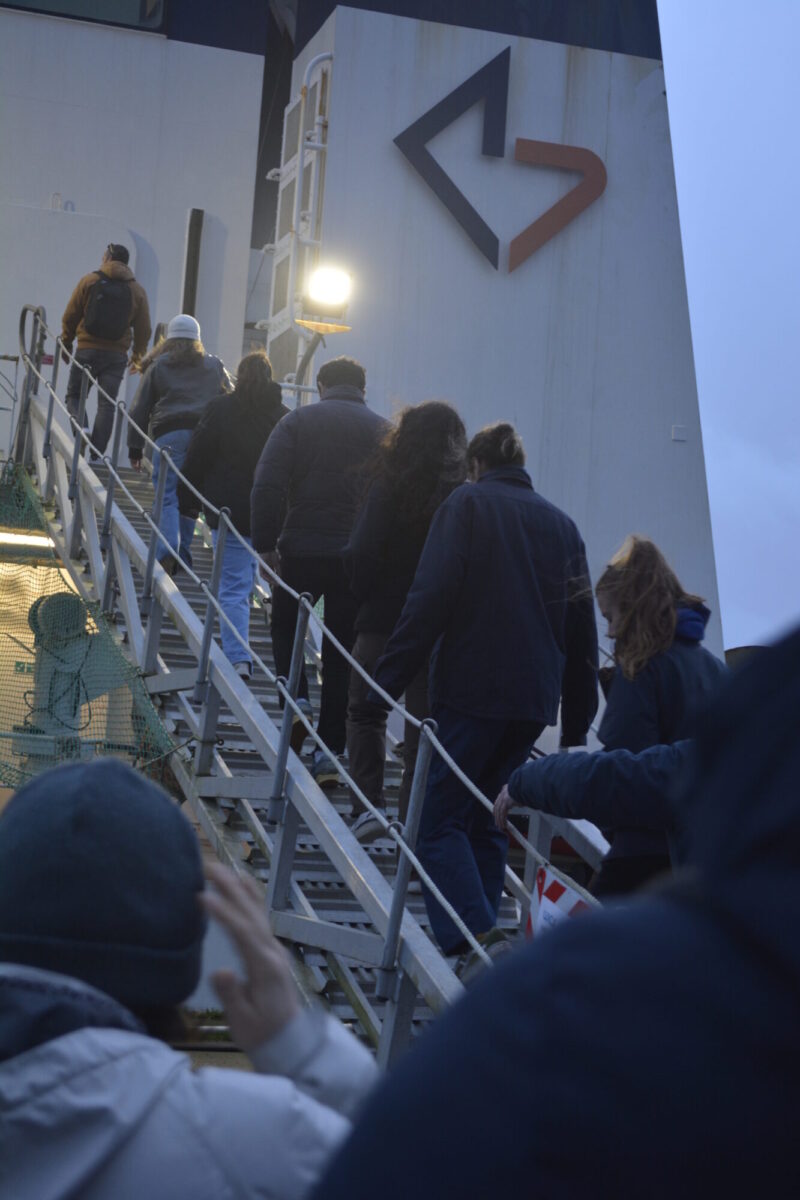
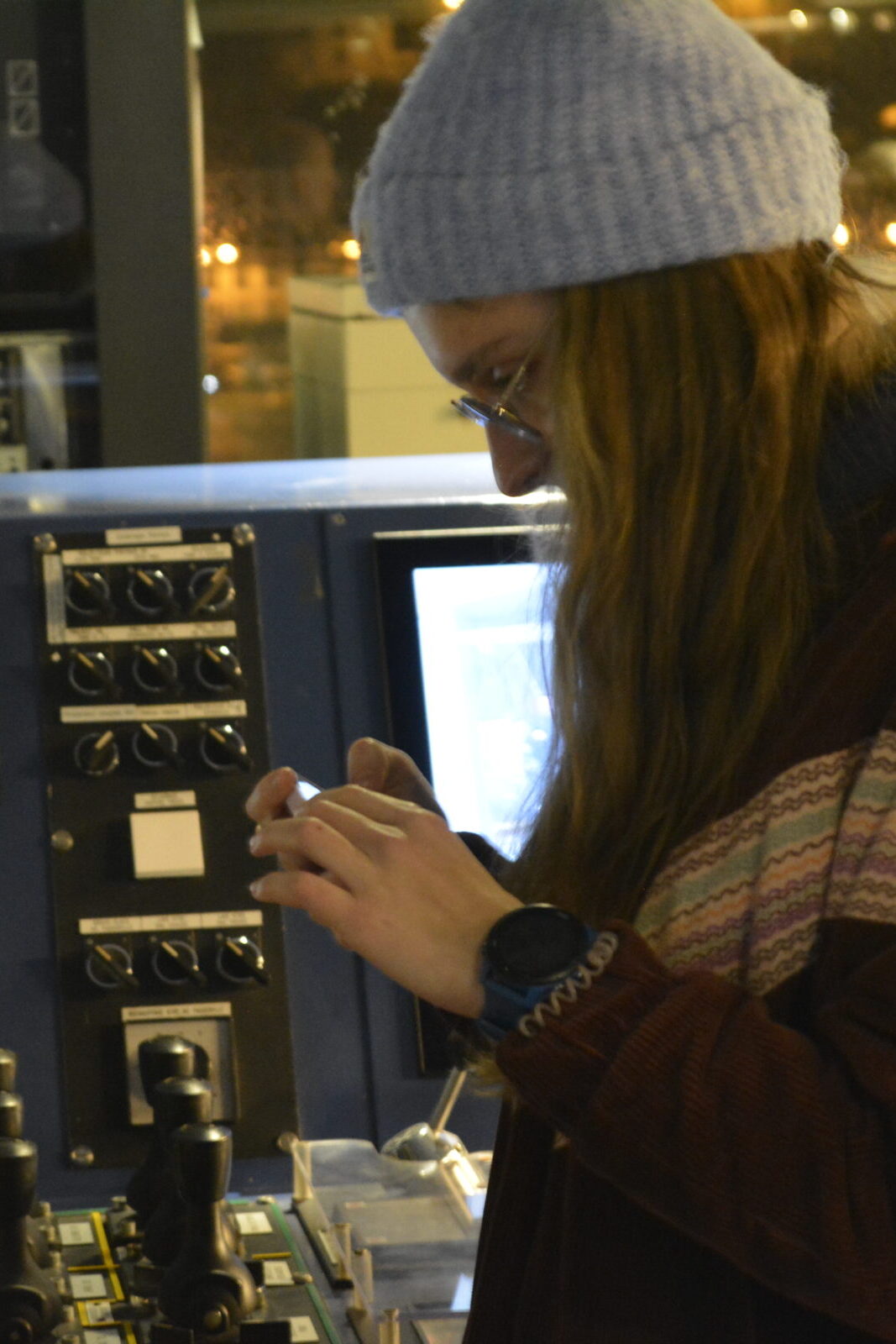
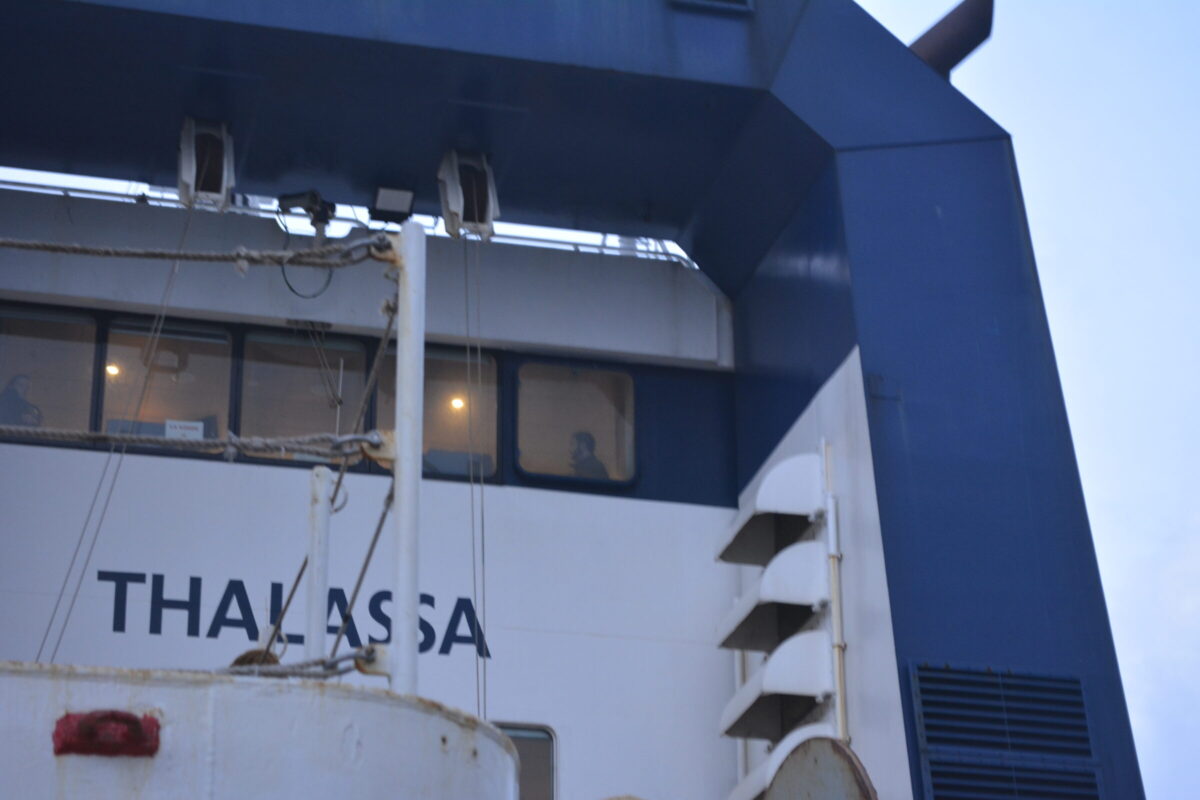
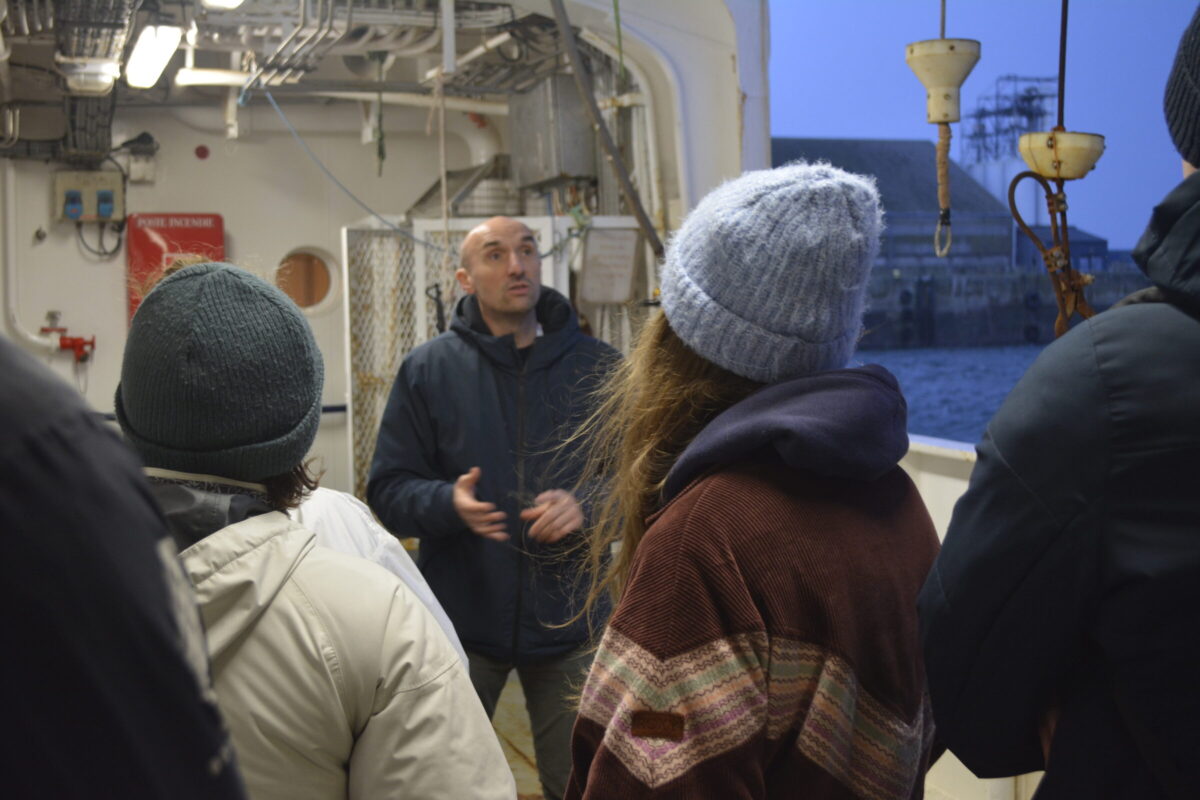
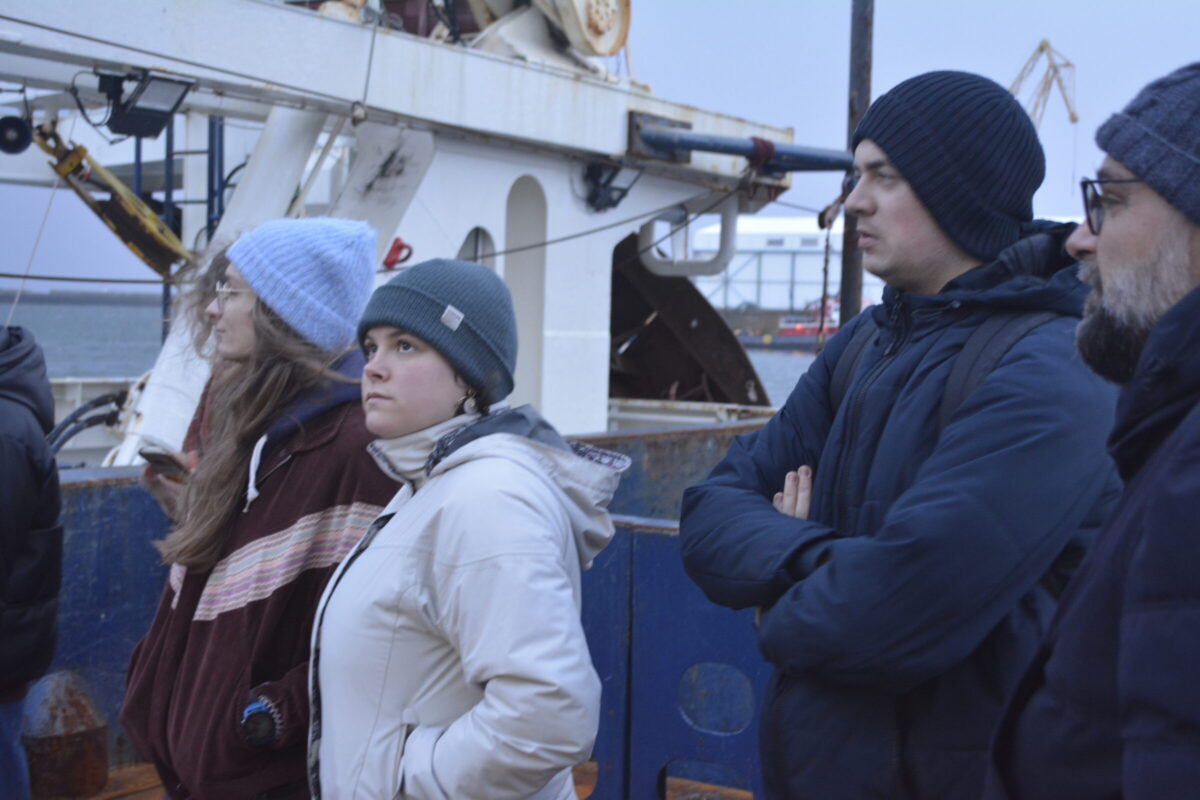
- Visit to the FOF vessel Thalassa and the GENAVIR Blue Box: An immersive experience allowing students to explore technical installations and onboard living conditions (Erwan Nedelec, Martin Denniel et Yvan Réaud).
L’atelier ne se limitait pas à un exercice technique. Les étudiant·es ont également été confrontés à des questions stratégiques cruciales :
- Quels objectifs scientifiques prioritaires pour la flotte ?
- Comment intégrer les préoccupations environnementales dans l’organisation d’une campagne ?
- Comment communiquer les résultats des missions pour maximiser leur impact ?
The workshop also addressed critical strategic questions:
- What are the fleet’s priority scientific objectives?
- How can environmental concerns be integrated into campaign planning?
- How should mission results be communicated to maximise impact?
Skills developed during the PIM:
- Methodology and organisation: Planning a scientific mission requires rigour and careful preparation
- Analysis and creativity: Developing innovative solutions to technical and environmental constraints
- Collaborative work: Designing a complex project as a team, integrating multiple areas of expertise
At the end of the week, participants presented their projects to a “mock campaign jury” of experts, detailing preparation steps, resources mobilised, required authorisations, and expected results.
Learn more:
Explore the presentation slides of the three ocean campaigns imagined by the students
Discover the PIM posters
Watch the students’ interview from the PIM Forum
Supervisors:
- David Graindorge (GeoOcean/UBO)
- Julien Collot (GeoOcean/UBO)
 Attention, vous utilisez un navigateur peu sûr !