POST-PÉTROLÉUM PIM: Questioning our relationship with oil and imagining sensitive and inventive strategies for phasing out fossil fuels
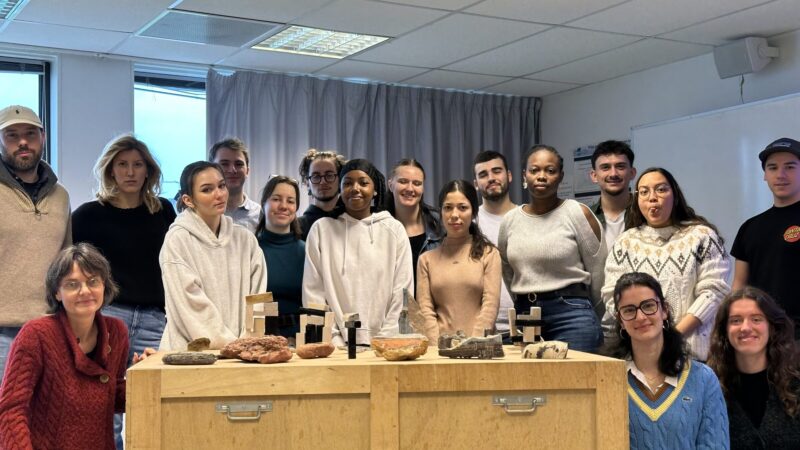
From 5 to 9 January 2026, the Post-Pétroléum PIM brought together 15 students to question our relationship with oil by combining scientific research and artistic creation. The aim was to explore oil and its waste as a material for reflection and expression, in order to imagine sensitive and inventive strategies for moving beyond fossil fuels.
Guided by a marine geology researcher, Nathalie Babonneau, and two visual artists, Justine Maljak and Thibault Honoré, participants followed a programme combining short lectures, creative workshops and material experimentation. Using marine petroleum waste and rock samples provided by the GEO-OCEAN laboratory, they tested different transformation processes and explored artistic practices such as sculpture, modelling and image transfer, while also producing scientific documentation.
This collective work led to a final creation exhibited at Maison de la Fontaine from 10 to 14 March 2026 as part of the RESSAC Festival, alongside works by artists Justine Maljak and Thibault Honoré.
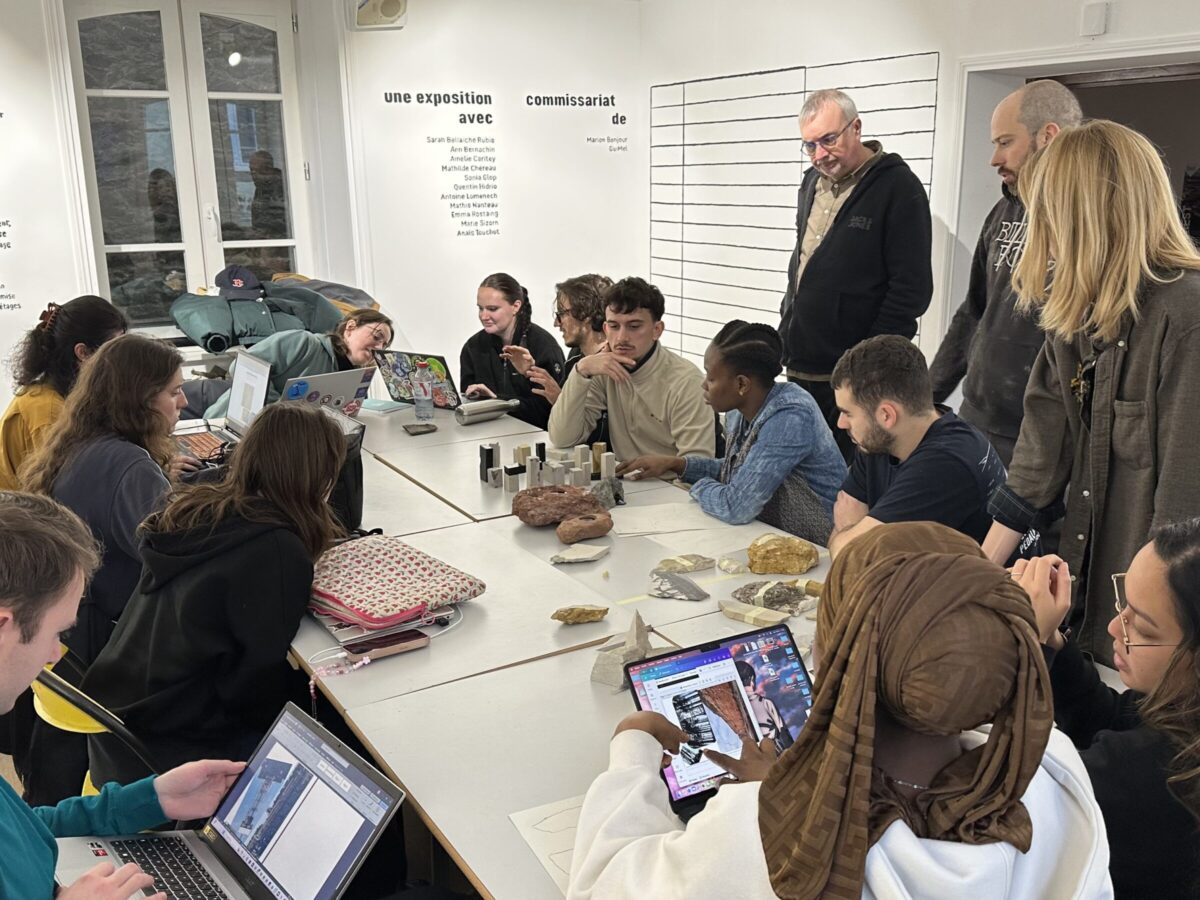
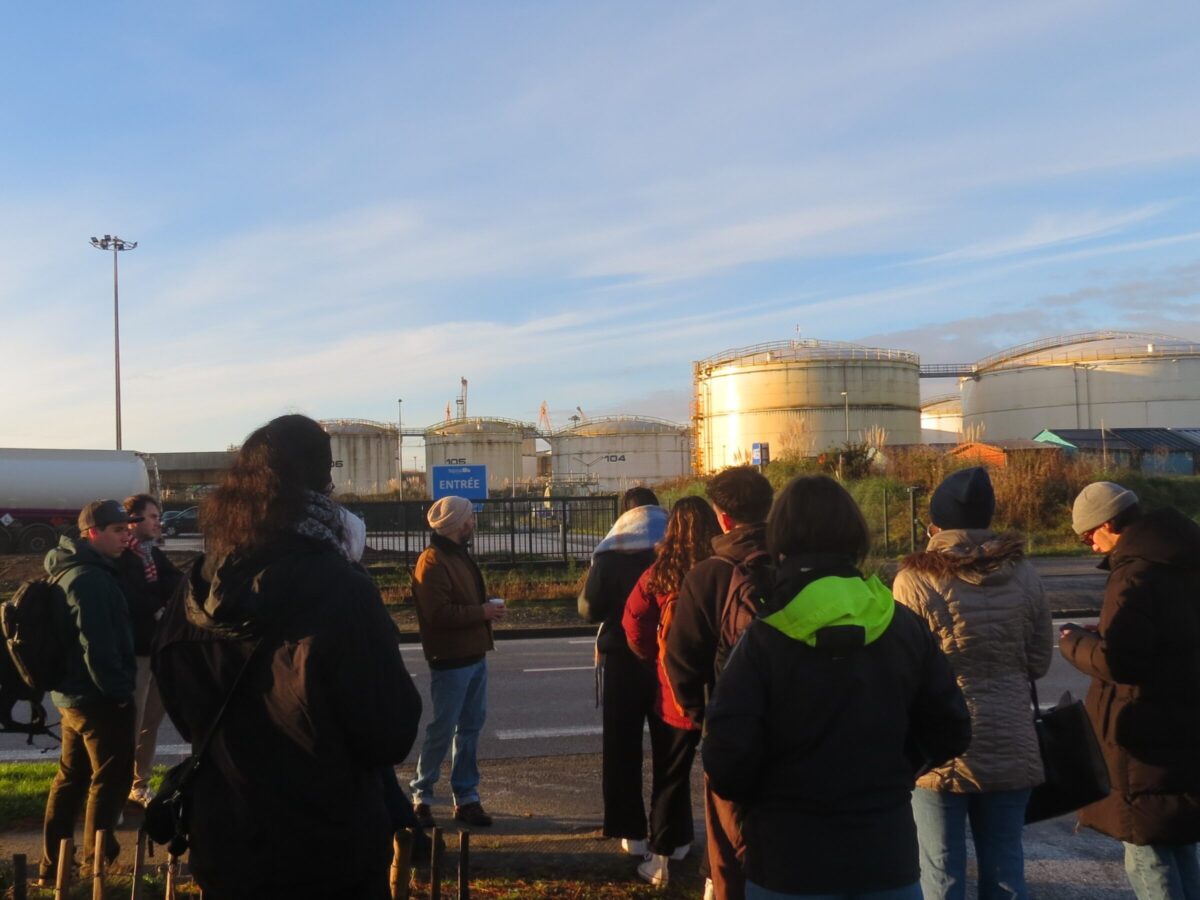
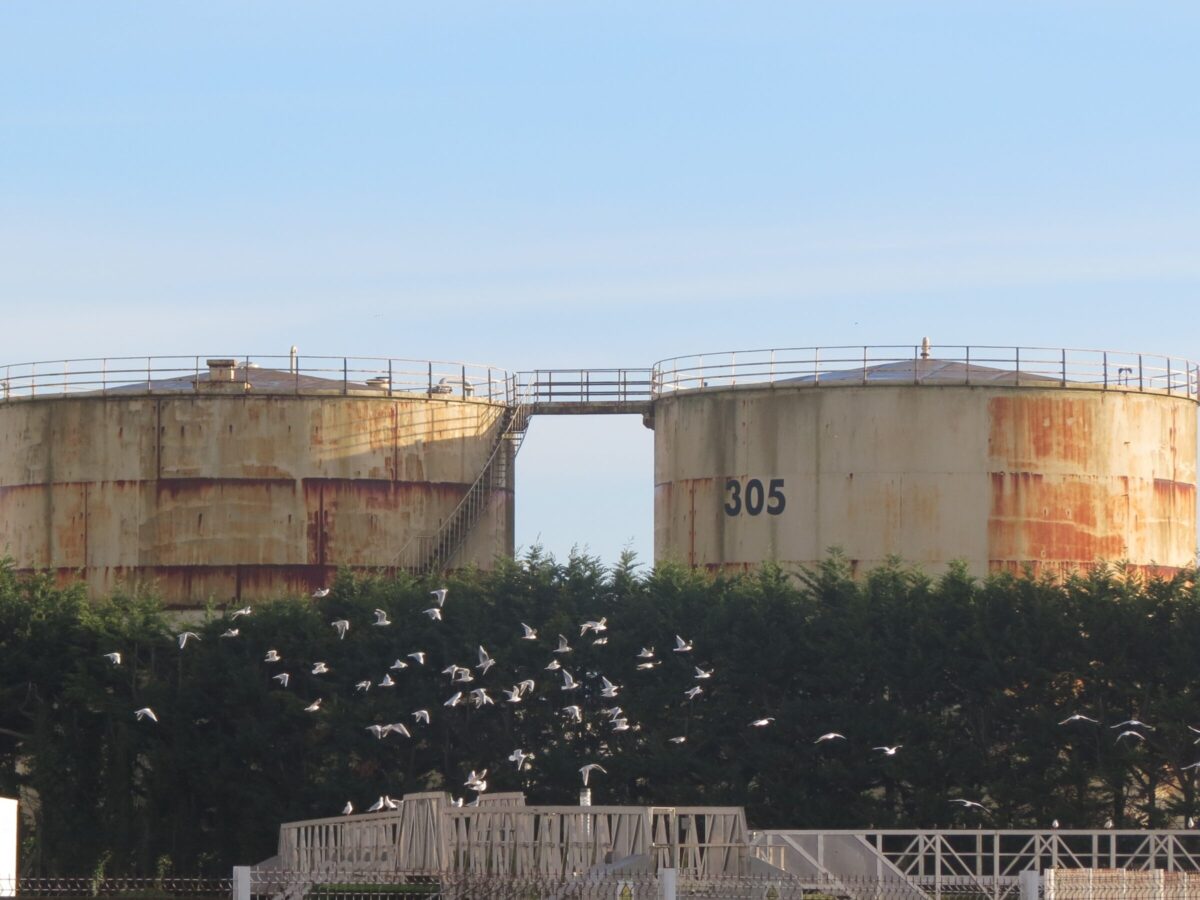
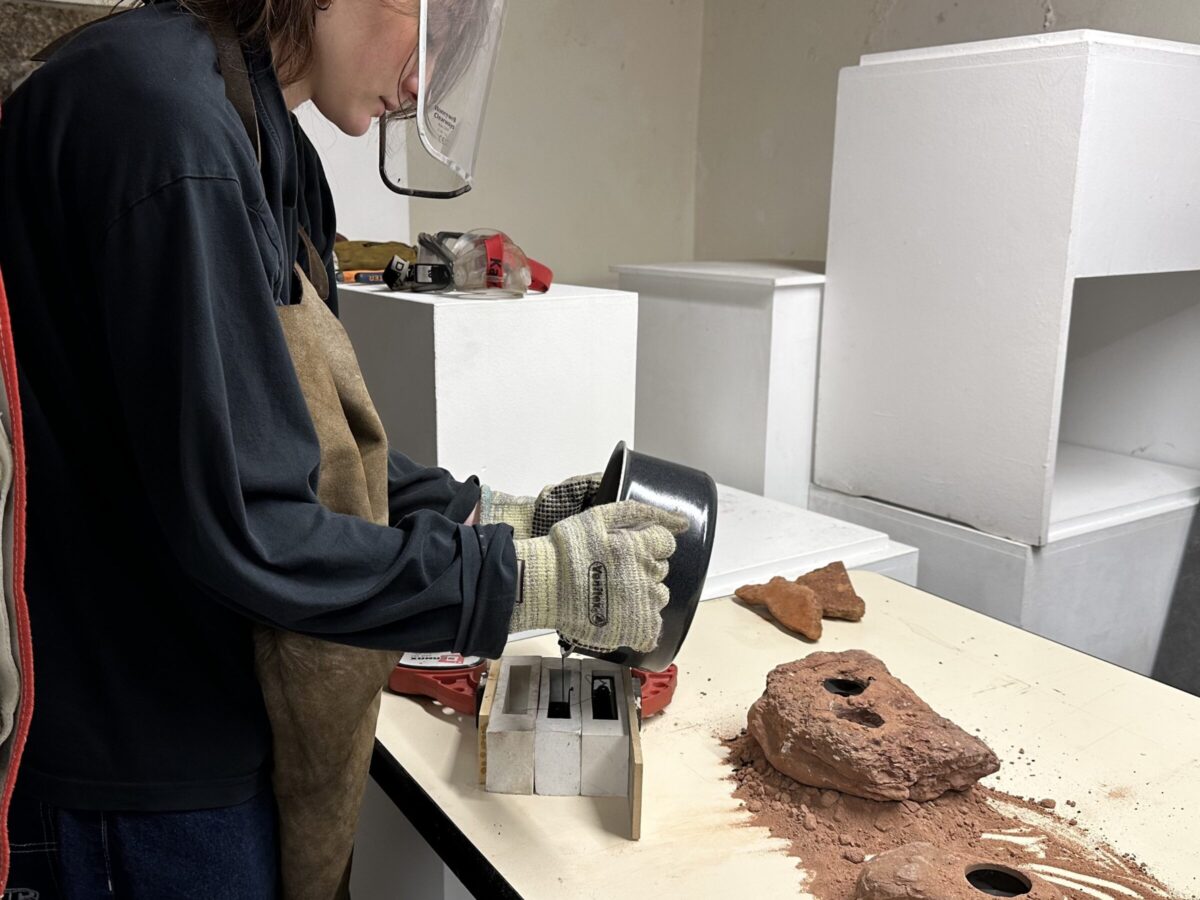
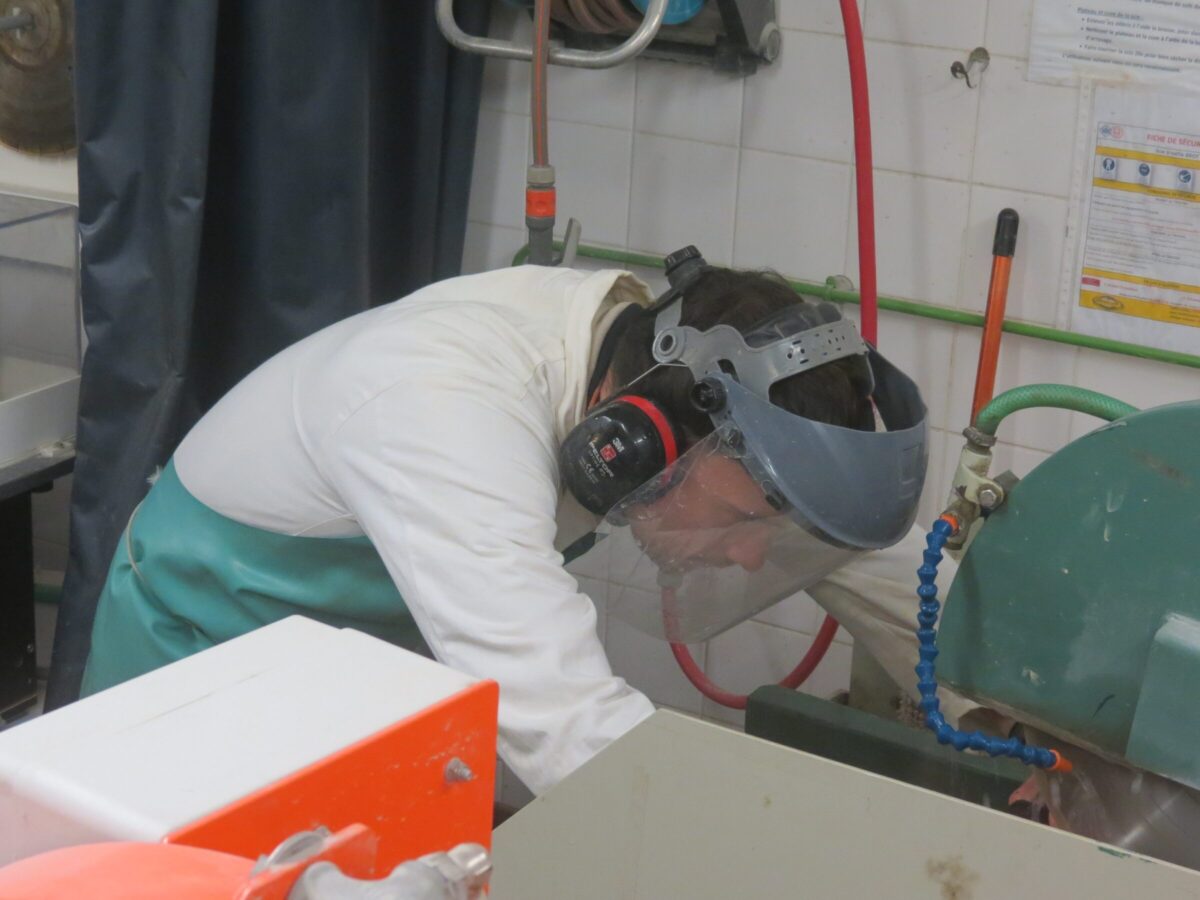
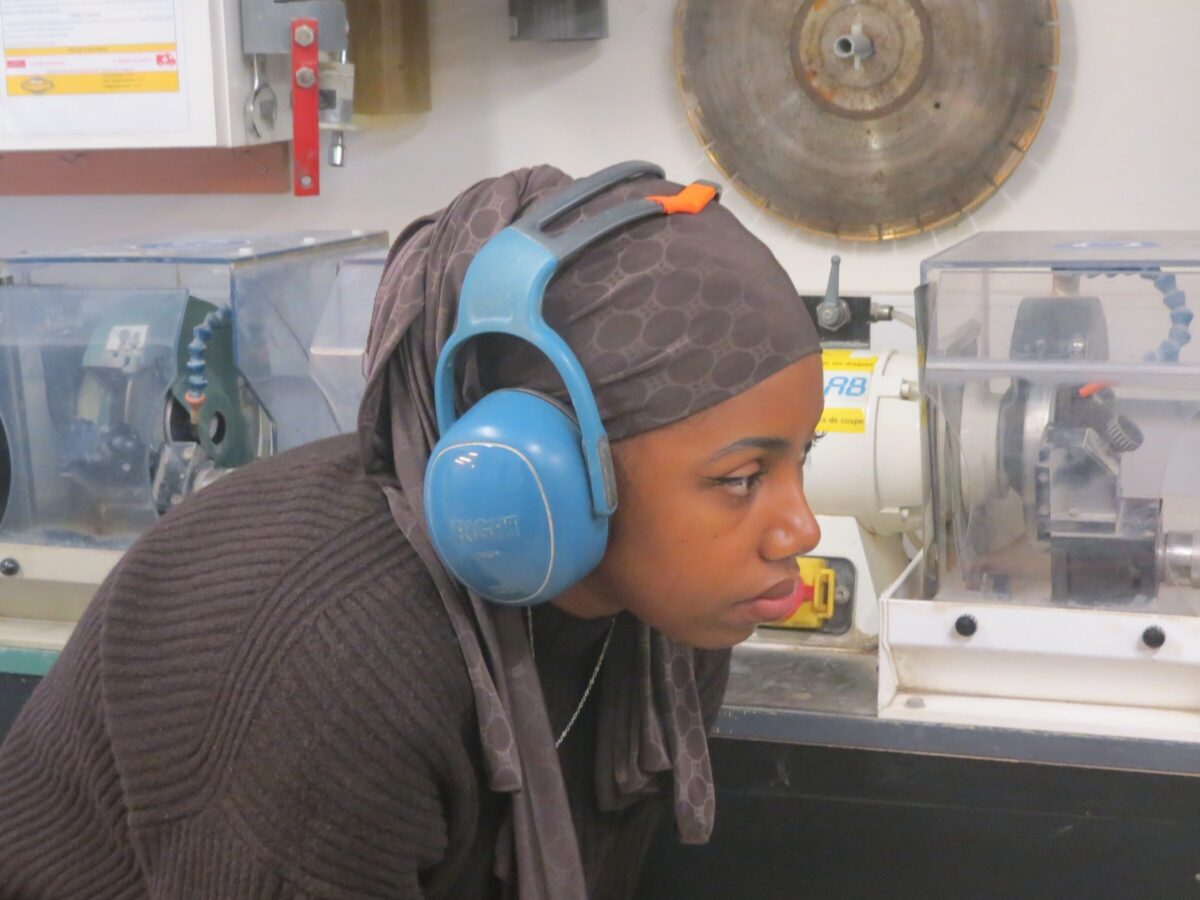
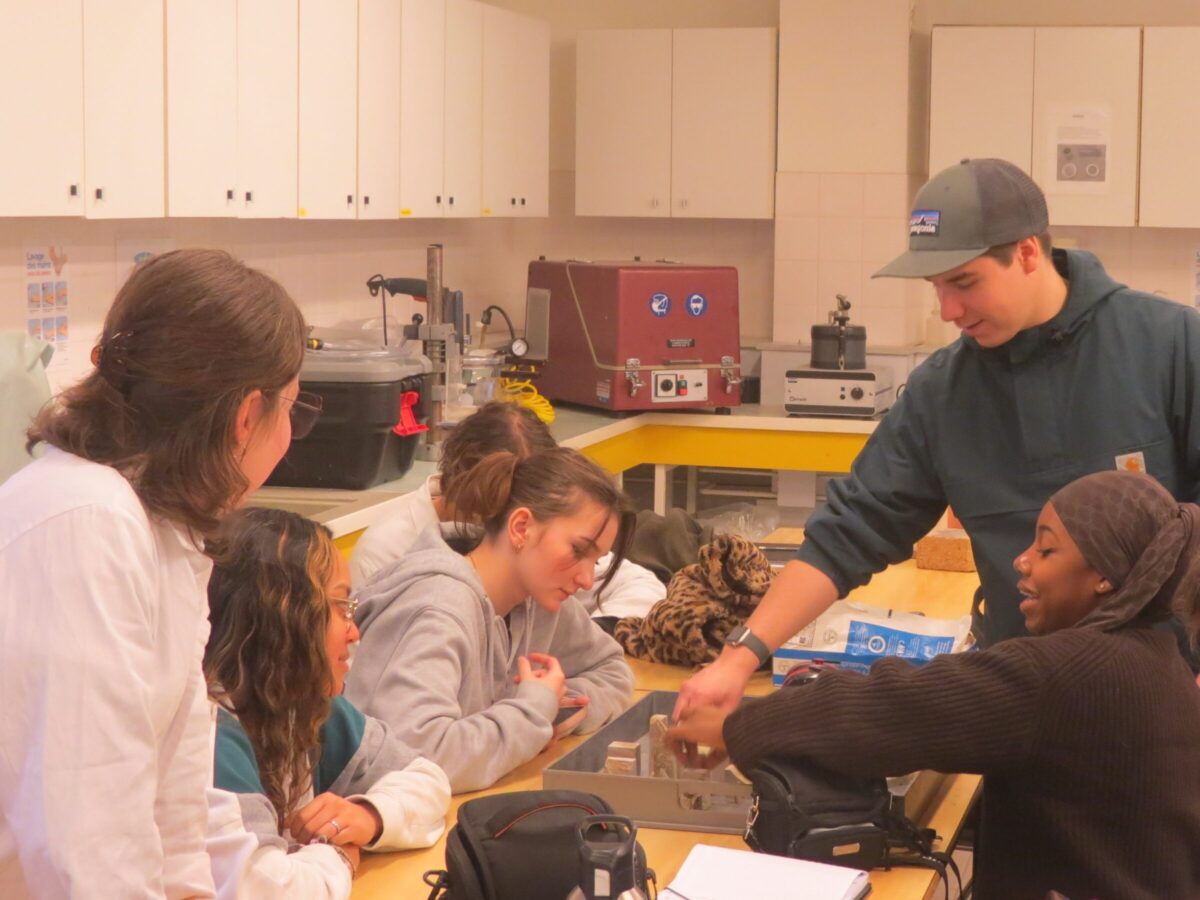
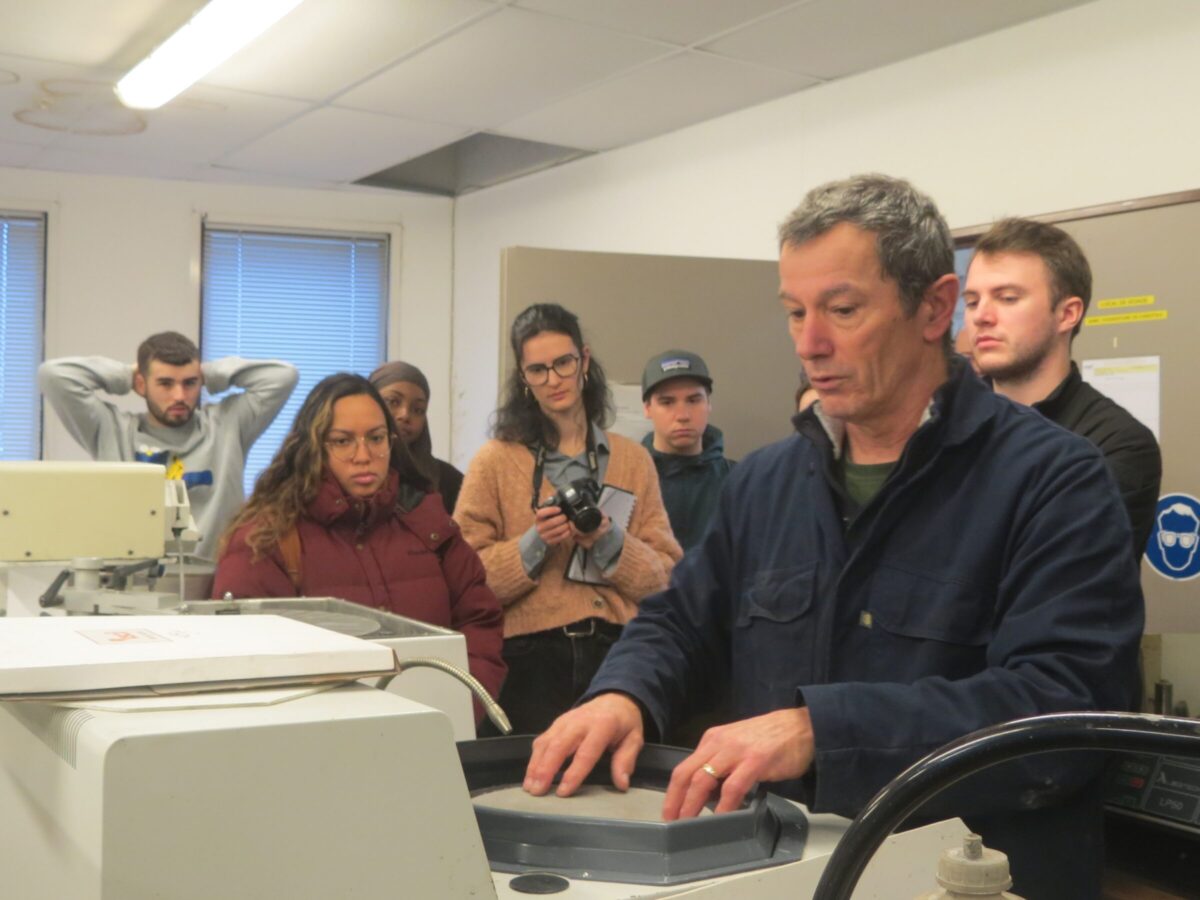
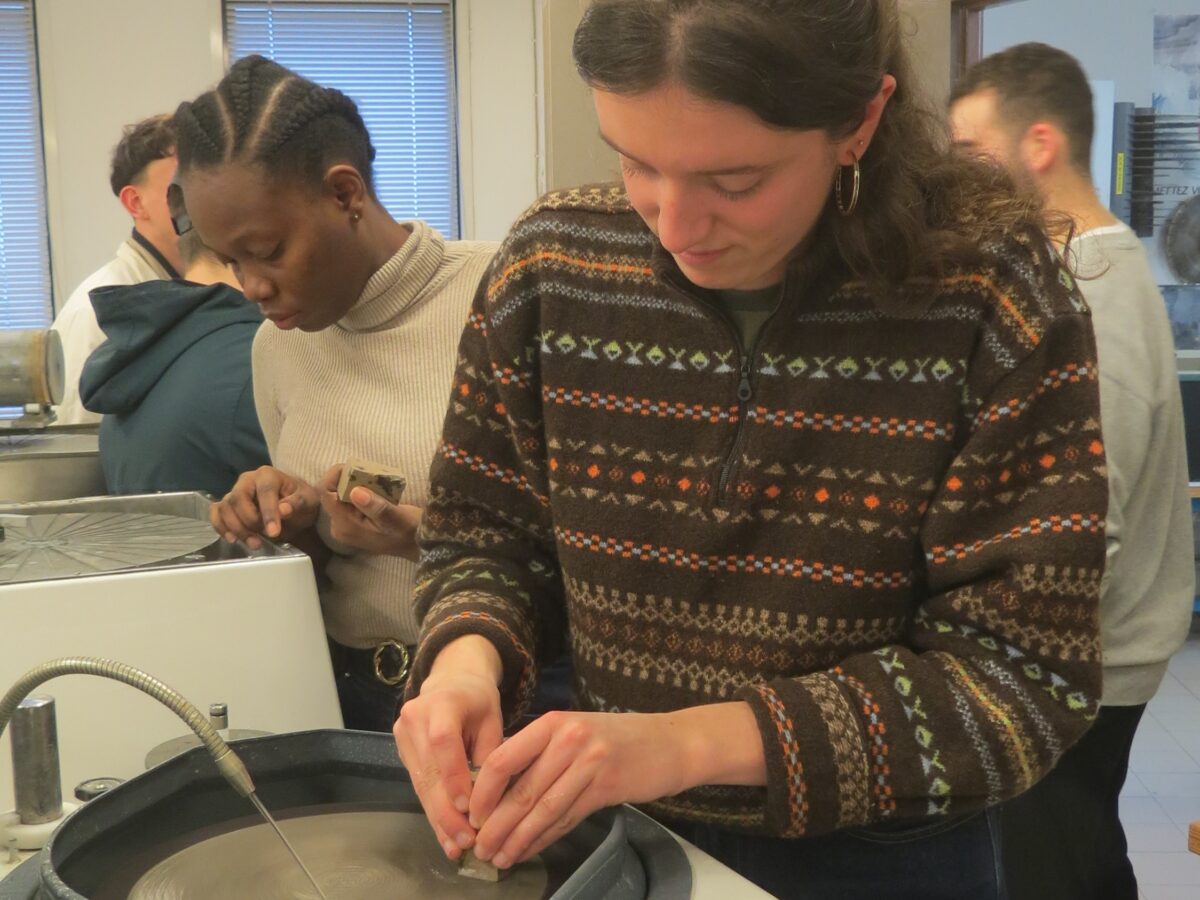
At the end of the programme, students deepened their understanding of geological processes linked to the formation and exploitation of oil, while developing a critical reflection on the role of fossil fuels in our societies. This project enabled them to experiment with translating scientific issues into artistic works and to enrich their collective imagination around a post-oil future.
Discover the students’ interview during the PIM Forum:
View students’ outputs:
Supervisors:
- Nathalie Babonneau, Géo-océan/UBO
- Justine MALJAK, visual artist
- Thibault HONORÉ, HCTI/UBO
 Attention, vous utilisez un navigateur peu sûr !